By Fiona Mackellar
Tourism hub is an integral part of many visitors’ journeys to Valencia. The main function of the tourism office is to promote Tuk Tuk tours, the ‘hop on hop off’ tourist bus and giving general information about Valencia and transport around the city.
The Tourism Hub office is based in the heart of Valencia inside the North Station and Roberto Jubete is the manager of the office. We were among the action inside the tourist office while Roberto gave me an insight into the workings of how his company promotes Valencia to its many visitors.
Each major city has its own essence, so I asked how Roberto would describe the core identity of Valencia:
“It’s a very diverse city. It belongs to Mediterranean culture and that’s pretty important because it’s very open-minded, it’s not just a city located on the beach. It’s a very historic place…and also has a lot of modern development so I think that makes it a very interesting destination.”
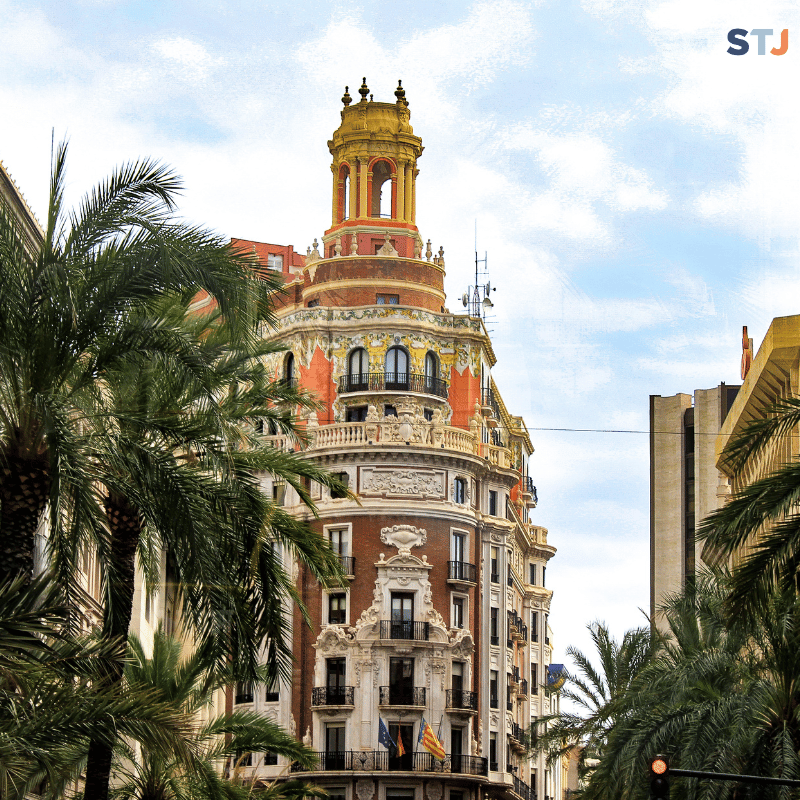
The diverse mix of the seaside, historical centre and modern complex ‘The City of Arts and Sciences are what gives Valencia a unique and attractive pull; it is not afraid to take risks in its modern architecture or boldly display its deep history.
This makes the mission at Tourism Hub relatively uncomplicated as there are many points of interest to promote in Valencia. Roberto told me that one of the most popular attractions promoted by the tourist office is the national park Albufera, the birthplace of the famous dish Paella. He described visitors not expecting to be able to be part of this important tradition and it’s a point of promotion that they push to advocate for the lesser known parts of Valencia.
Tradition continues to be a priority at Tourism Hub because the platforms in which they use to get the word out about their own services and the highlights of Valencia pertain to online tourist websites. Roberto confirms that:
“In the end people always go to websites like Trip Advisor, Get Your Guide or our own website. The first thing they search is ‘Tours in Valencia’ and, for us, that’s the best promotion to have our tours on those websites rather than being published on social media.”
This may be because the type of people using their services online or in the office are often more mature. Roberto describes the target audience as middle class people from a range of between 30-60 years old. Over his 7 years of working in the company that has not shifted much although they do attend to visitors of all ages, this is the age range that tend to commit and participate in their services.
Reflecting on the aftermath of the pandemic we talked about how it affected the attitudes and behaviours of new visitors to the city and Roberto made it clear that although nowadays it’s like it never happened, Tourism Hub dealt with a lot of concerned tourists, during that time, trying to keep their distance from one another while also taking advantage of sight seeing.
“Some people were afraid of getting onto the ‘hop on hop off’ bus even with an open top the seats are very close together and it was more likely they would be next to people they didn’t know so the tuk tuk tours were more popular at the time because it’s a private tour and the guide is able to keep a good distance.”
On the contrary, Valencia has actually come out on top after the pandemic, enduring those hard years has paid off because you will find Valencia number one on many different lists in the travel industry, including Forbes ‘best cities to live in’ in 2023. I quizzed Roberto on what challenges the company has faced in promoting the city and he replied joyfully that there haven’t been many in recent years as it’s promoting itself. The only challenge they are starting to face is overcrowding in the city and having just finished one of the biggest festivals in the region: Las Fallas, Tourism Hub has been tested with many questions about where to stay and transport around the city. The main focus is managing and adapting to various events and the rising numbers of tourists that it attracts.
Roberto continued with the very ‘heated topic’ of overcrowded tourism which is a current conversation in most big Spanish cities on how to keep the tourism industry alive and enjoyable while maintaining appropriate living conditions for local people. This is where Roberto became very passionate and told me about the messaging they try to transmit as a company:
“What I would say to the people, for example, is try not to go into franchises like Starbucks to grab a coffee, go to a local place! It is much more interesting and you are helping the local people to survive this chaotic time with very high prices. Respect and discover local places and visit the city as if you were living there.”
Providing these hugely popular city tours the Tourism Hub is the first point of contact for many tourists and the rise in popularity of Valencia certainly gives the office a boost in communicating the uniqueness and diversity of the city. However, in the background, they are managing the ever increasing flow of new visitors, showing off hot spots but encouraging them to immerse themselves in local life.
Personal Reflection
At first I was a little bit frozen thinking about how to approach the task of an interview with a tourism and travel industry professional and I spent a long time trying to align the questions to suit the assignment description. I wanted to have a well rounded variety of light and interesting questions mixed with thought-provoking questions on strategy and the management of an industry where trends and behaviours are constantly changing in a popular destination.
In the preparation stage of the interview I felt extremely well equipped and had a clear vision in my mind of how I wanted to conduct the interview but as I went through the questions I found it difficult to be present while listening to the answers. In a normal conversation I would have asked many more follow up questions but I was too focused on conducting an interview that I think I fell short on transmitting a more human tone.
Another challenge I faced during the interview were the transitions between questions, it felt a little robotic moving from topic to another and I struggled to flow naturally between topics with the interviewee. On the other hand I think I was very encouraging and my questions inspired really indepth and interesting answers which provided me with a lot of knowledge about their promotion of the city which helped structure the article about the interview.
As a journalist in training I learned that interviewing takes a lot more refined skill than just having a guided question and answer session. I need to work on my ability to put forward the well prepared, professional questions while being able to omit a personable tone and a natural flow.
This article is part of the practical work carried out by students on the Master’s Degree in Travel Journalism at the School of Travel Journalism.