Travel Journalism
Dual Master inGASTRONOMICJOURNALISM & PHOTOGRAPHY
Taste it, frame it and tell the story behind every plate.
Next intake: February 2027
Live classes in English · Limited places
Pay in up to 12 monthly installments
The program
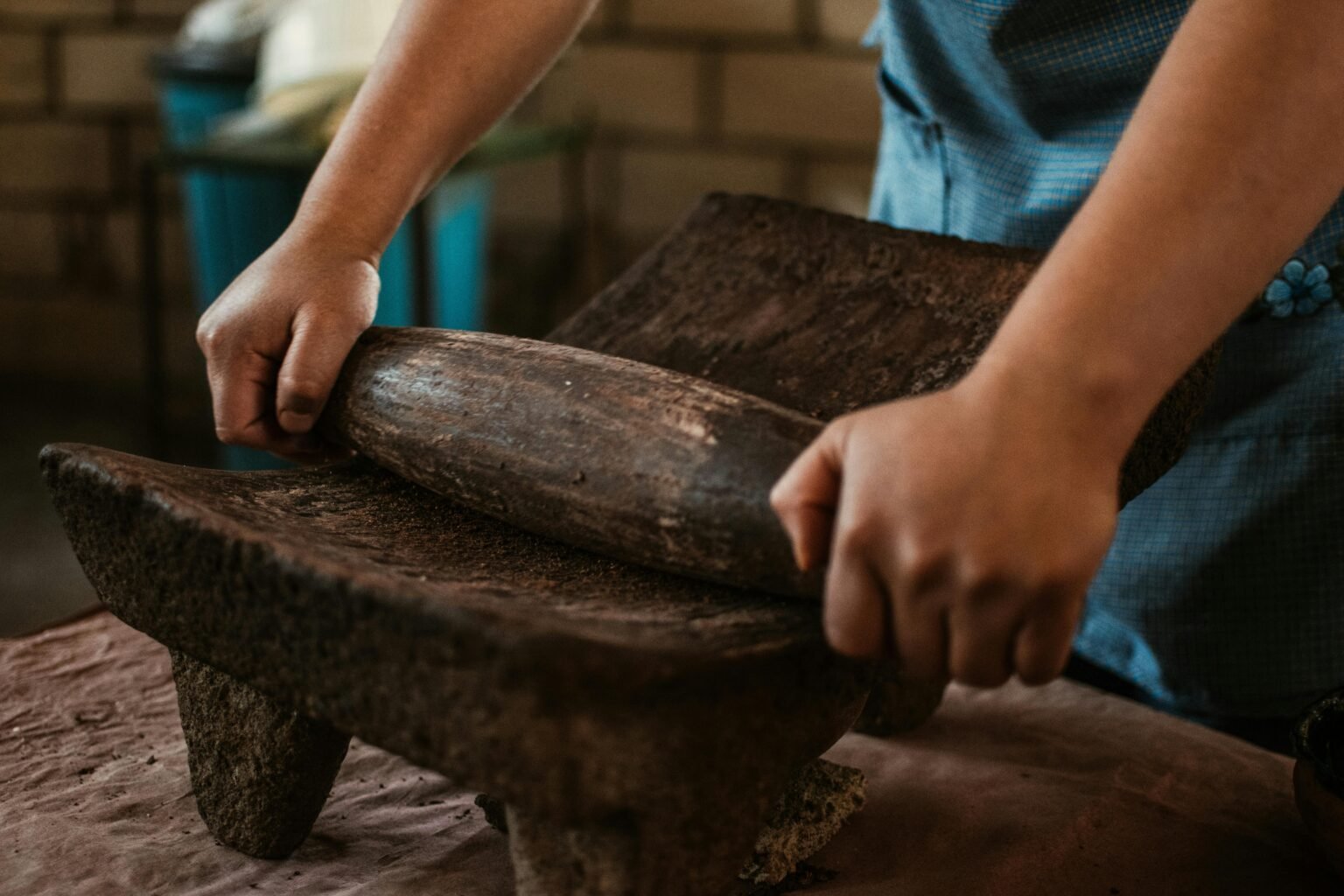
Food is culture. Learn to tell its stories in words and pictures.
Program overview
The Dual Master in Gastronomic Journalism & Travel Photography combines our two masters in a single 100% online program with live classes in English. Over 18 months you learn to research, write and publish food stories, and to photograph dishes, markets, producers and places with technique and a voice of your own.
From the market to the page
You learn to find the story behind a dish, photograph it in good light, and turn it into features, reviews, guides, photo essays and content that editors, brands and audiences want.
Taught by working professionals
Live classes with food journalists, critics, chefs, editors and travel, food and documentary photographers who publish in major media.
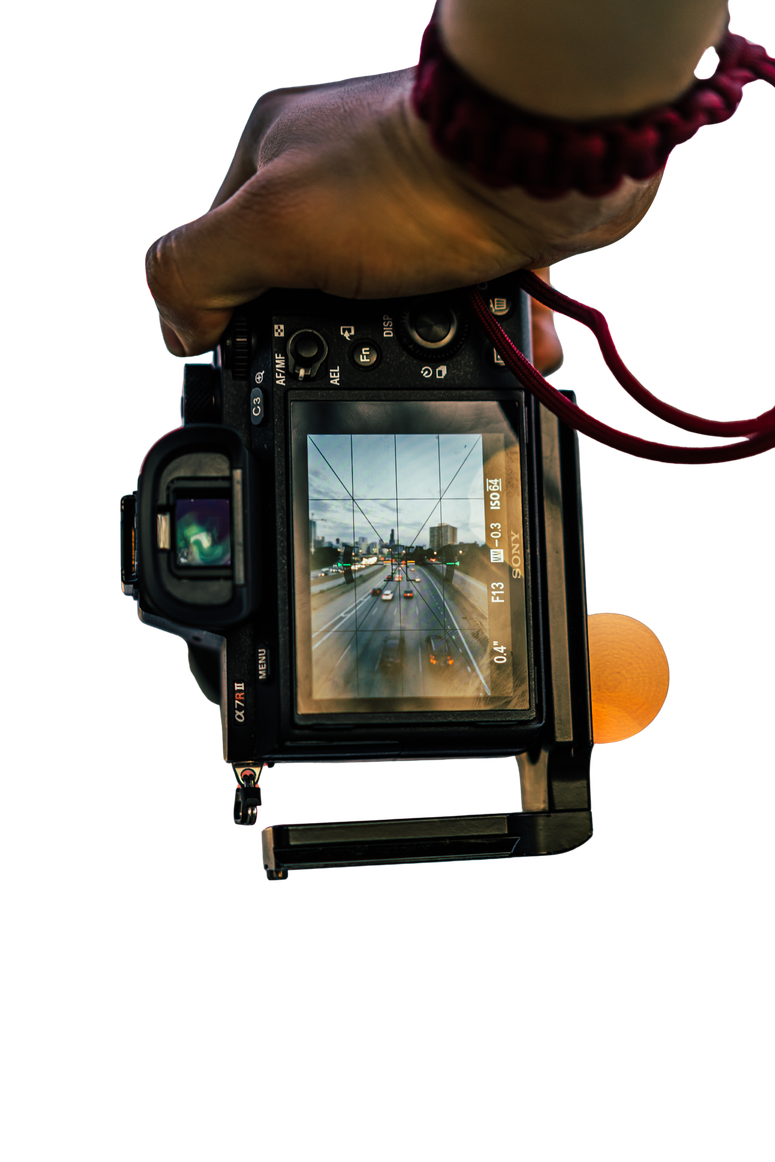
Learn to taste, ask, find the light and turn every plate into a story.
- Live classes in English
- From anywhere in the world
- Rewatch every class
- Publish in Travel & Create, our magazine
Expected student outcomes
When you finish the program, you will be able to:
- Write and publish food features, reviews, essays and guides for media, blogs and brands
- Photograph food: dishes, markets, producers and kitchens, with technique, light and composition
- Build complete stories that combine text and images, from research to final edit
- Understand food tourism, destination marketing and entrepreneurship in the sector
- Build your personal brand and a professional portfolio of writing and photography
Format and dynamics
- 20 modules with live classes, workshops and a conference with a guest professional
- Practical assignments in every module, with personal feedback
- Virtual campus with downloadable materials, recordings, forums and resources
- Hands-on experience at Travel & Create, STJ’s own magazine
- Access to the STJ job board and to our publishing partners
Weekly sessions on Zoom, recorded so you never miss one.
A discussion forum for each subject.
Live sessions with guest professionals in every subject.
One-on-one guidance on your final master’s project.
Curriculum
20 modules, a final trip and a final project
The nine modules of the Master in Gastronomic Journalism and Communication and eleven of travel photography: food, documentary, landscape, ethnographic, night, AI, cultural events, entrepreneurship and visual communication.
Introduction to Gastronomic Journalism
- Definition and context
- Gastronomic journalism in traditional media
- Can you make a living from food writing?
- Workshop: food content for conventional media
Tourism Marketing and Communication
- How the tourism system works
- Destination marketing and strategic plans
- Storytelling and working with content creators
- Business models for freelance professionals
Tourism and Gastronomic Journalism
- The food journalist and the tourism professional
- Ethics in content creation
- Inside a gastronomic media outlet
- New monetization models for media
Gastronomic Narrative
- A brief history of food writing
- Structure, tone, voice and time
- Sharpening the senses
- Reviews, chronicles, features and books
Content Creation
- Podcast: planning, recording and distribution
- Video: planning and filming
- Professional editing and publishing
Social Media for Gastronomic Journalists
- Platforms and success stories for food creators
- Monetizing social media
- Analysis and metrics
- Ethics and responsibility
Gastronomic Photography
- Planning and materials
- Photography theory
- Portraits of cooks and producers
- Instagram for food journalists
Methodological Tools for Research
- The research problem and objectives
- Theoretical framework and methodology
- Data analysis and conclusions
- Tools applied to your final project
Digital Strategies
- Building your website
- AI for journalists
- LinkedIn and your personal brand
- SEO, SEM and Meta Ads
Introduction to Travel Photography
- Basic concepts, trip preparation, equipment and prior research
- Composition and visual language: framing, lines, color, rhythm and narrative
Photographic Journeys: From the Field to the Image
- Types of travel photography projects
- Planning for project success
- Working in the field
- How to publish your photo essay
Food Photography
- Photography and composition basics
- Studio vs. food and beverage venues
- Lifestyle and food photography
Documentary and Social Photography
- Professional ethics
- Visual storytelling and photo reading
- The portrait in documentary photography and photojournalism
Entrepreneurship in Travel Photography
- The current landscape
- AI and editorial media
- Building a professional profile
- Financial viability for a travel photographer
Landscape Photography
- Light, weather and atmospheric conditions
- Applied composition in the field
- Creative landscape photography
Night and Long-Exposure Photography
- Equipment and planning
- Camera settings and night techniques
- Cataloging, selection and workflow
AI Applied to Photography
- AI as a travel assistant
- AI in post-production and editing
- AI for storytelling, distribution and professionalization
Cultural Event Photography
- How to photograph a cultural event
- Light, timing and composition
- Editing and traditions
Visual Communication and Digital Platforms
- When a picture needs words too
- Video storytelling
- Where to publish: website and social media as your portfolio
Ethnographic Photography and Visual Narrative
- The portrait as a cultural descriptor
- Decoding body modifications, hairstyles, clothing and adornments
- Approaching minority communities with respect
Final Project Trip
- Presenting your trip and project
- Personalized tutoring
- Pre-trip preparation
- Presentation and evaluation
Final Project
- Your publishable food story
- Feedback from your mentor
- Ready to pitch to editors and brands
Qualification
Finish with two qualifications
Prove your skills and strengthen your professional profile with two qualifications.
STJ Professional Master’s Certificate
Awarded by the School of Travel Journalism when you complete the program and your final project.
University Professional Master’s Diploma
Issued by a partner university. Choose a European diploma with ECTS credits or an American one. Optional: the issuing fee is paid separately as an administrative fee.
Faculty
Who you will learn from
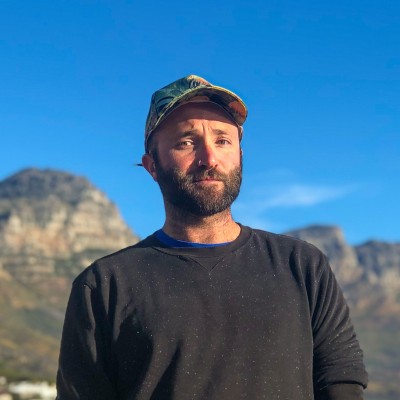
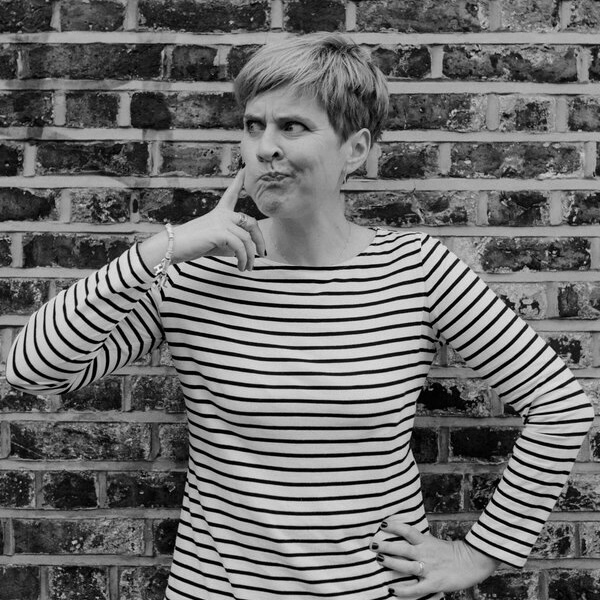
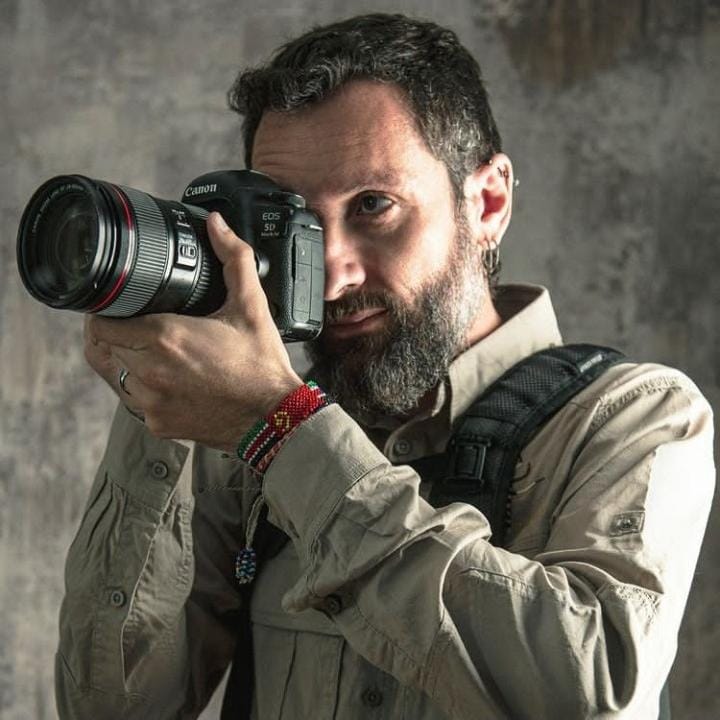
Food and travel journalists, editors and photographers who work in the field and bring their real projects to class.


Final master’s project
Your final exam won’t be a written test. It will be packing your bag.
Your final project is a food story told in words and pictures, built on a real trip or on the kitchens around you, with one-to-one tutoring from start to finish.
- Choose your destination and your food story
- Research producers, kitchens and traditions
- Travel, taste and photograph with your tutor’s guidance
- Write, edit and publish your story
Career opportunities
Where this dual master can take you
Food journalist
Write features, reviews and essays for food and travel media.
Food photographer
Photograph dishes, restaurants, producers and destinations for media, brands and publishers.
Food content creator
Create articles, photos, videos and podcasts for your own channels or for brands.
Restaurant and brand communication
Lead the communication and visual content of restaurants, wineries, producers and destinations.
Freelance correspondent
Pitch and sell stories with words and pictures to media as an independent professional.
Editorial projects
Launch your own food blog, magazine, guide or book.
You also get access to the STJ job board, with offers from media outlets, agencies, magazines and brands, plus guidance on your portfolio and CV.
Is this master for you?
You studied journalism, tourism, communication or hospitality and want to specialize.
You want to turn your passion for places and food into a professional practice.
You work in marketing, PR or social media and want to focus on tourism and gastronomy.
Chefs, guides and tourism workers who want to tell their own stories.
Student voices
Hear it from our graduates
Our students and graduates share how studying at the School of Travel Journalism, with the same live, hands-on method, shaped their path.
As seen in
Our instructors’ work has appeared in







Next intake: February 2027
Your next story starts with the right training.
Join the current edition with live classes in English
Pay in up to 12 monthly installments
Request Information About the Dual Master in Gastronomic Journalism & Travel Photography
If you’d like personalized guidance on the Dual Master in Gastronomic Journalism & Travel Photography, fill out this form and we’ll get in touch with you.
Frequently asked questions
Don’t leave any question unanswered. Here are all the answers you need!
How long is the Dual Master in Gastronomic Journalism & Travel Photography?
18 months, with 1,800 hours of training. The next intake starts in February 2027.
Can I still join if the master has already started?
Yes, in most cases you can join during the first weeks of the course. Every class is recorded, and our admissions team will help you catch up from day one.
Is the master taught in English?
Yes. All live classes, materials and feedback are in English, with faculty who work as travel writers, food journalists, editors and photographers.
Does the master include a university diploma?
Yes, as an option. You always graduate with the STJ Professional Master’s Certificate, included in your tuition. On top of that, you can request a University Professional Master’s Diploma from one of our partner universities. The issuing fee is paid separately as an administrative fee.
Which university diploma can I choose?
You choose the one that fits your plans: a European diploma with ECTS credits, or an American diploma. Our admissions team will explain the details and the administrative fee for each option.
Is it an official master’s degree?
No. Both options are university-issued professional master’s diplomas, not officially accredited master’s degrees.
Is an internship mandatory?
No, an internship isn’t mandatory, but it is recommended.
Can I balance the Dual Master with my job?
Yes, the master’s is designed for each student to adapt it, allowing you to balance it with your work, schedule and other activities.
How do the monthly installments work?
You can pay in up to 12 monthly installments, financed directly by the school at a very low interest rate. Our admissions team will give you the exact plan for your case.
Is the final project trip included in the price?
No. If you travel for your final project, flights, accommodation and other travel costs are paid by the student. You can also base your project on fieldwork close to where you live.
When are the live classes?
Live classes are held in Central European Time (CET), and every session is recorded so you can watch it whenever it suits you.
Before you go
Your next trip could be your first food story.
Get the full program guide: the 20 modules, the faculty, the final trip and how the dual master works. Our admissions team will also answer any question you have.
Next intake: February 2027. Limited places. Live classes in English, from anywhere.
Get the program guide