By Gustavo Pé D´arca
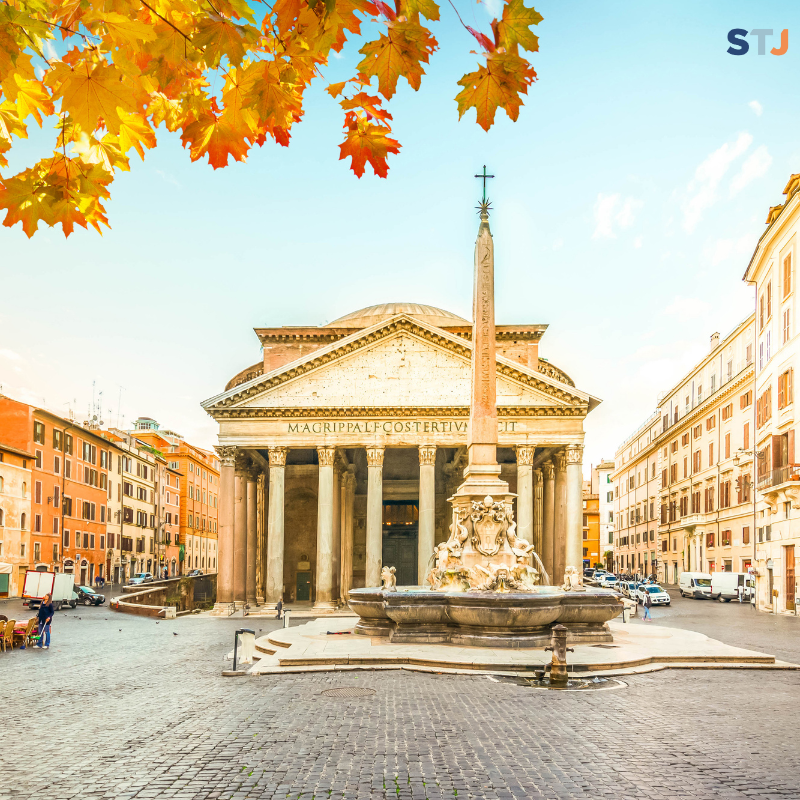
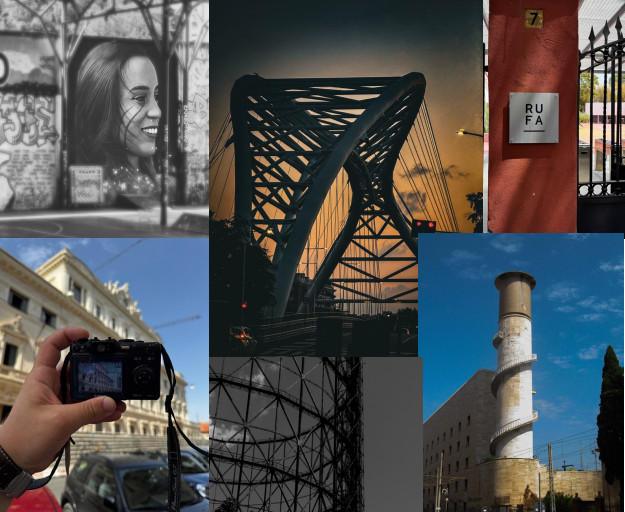
My recent journey to Rome for the Street Art Photography Summer Lab at RUFA wasn’t just a course – it was a revelation. Class #5 of our program, “Writing Personal Travel Essay,” lingered in my mind as I wandered through the faded alley ways of Garbatella and captured graffiti-drenched walls in San Lorenzo. The class posed a simple yet complex challenge: how do we tell stories that feel lived-in, not just observed? How do we write travel essays that don’t sound like postcards? Rome helped me find my answer.
What the Class Made Me Think About
The idea that stuck with me from Class #5 was the power of proximity: of being close to a place’s pulse without trying to romanticize or conquer it. Travel essays often fall into the trap of spectacle – of chasing the “grandeur” of a destination. But what if we treated places like conversations rather than performances?
This insight challenged me. I’d always believed travel writing required flair, drama, the big wow factor. Yet, the most meaningful moments in Rome came quietly: dinner at a family-run trattoria in Testaccio, sharing critiques with fellow photographers on a graffititagged bench in Pigneto, tracing the textures of a mural in Garbatella that spoke more about resistance than decoration.
It dawned on me: authenticity in travel essays isn’t about gloss. It’s about grit and grace.
How It Connects to My Final Master’s Project (FMP)
My FMP destination is Frederiksberg – a polished, graceful borough nestled inside Copenhagen. On paper, it’s as far from the grungy underbelly of Rome as you can imagine. But through Rome, I’ve learned to see beneath surfaces, to seek out the tension between what’s curated and what’s concealed.
Rome taught me how to chase subcultures, how to listen to neighbourhoods that whisper rather than shout. In Frederiksberg, I now find myself drawn not just to its tidy streets and chic cafés, but to its layers – immigrant-run bakeries, overlooked murals, and the quieter voices of its urban evolution. What if I document Frederiksberg not as a polished product, but as a city in flux?
By stepping outside Rome’s high-tourism orbit and entering spaces such as Garbatella and San Lorenzo, I saw what happens when a city talks back. Frederiksberg might not scream with street art, but I’m more attuned now to its subtleties, its spatial dialogues.
The methodology I practiced in Rome—photographing emotions, writing about contradiction – will help me thread a deeper narrative in my FMP.
How It Affects My View as a Travel Journalist
Before Rome, I used to chase stories. Now, I let stories come to me.
The shift is subtle but seismic. Rome reminded me that the best travel journalism isn’t about being clever – it’s about being present. It’s about befriending the city instead of dissecting it.
I’ll approach Frederiksberg not with the lens of the “foreign observer,” but as someone in search of tension, nuance, and meaning. I’ve moved from the myth of “objectivity” to the truth of empathy. My writing style has evolved: less polished declarations, more textured reflections. I’ll research by walking more, observing deeper, and asking stranger questions. I’ll narrate in a voice that’s messy, curious, and brave.
In other words, Rome gave me permission to become a more honest travel journalist.
This article is part of the practical work carried out by students on the Master’s Degree in Travel Journalism at the School of Travel Journalism.