Looking at the work of famous travel photographers is the fastest way to train your eye, as long as you study their decisions instead of copying their pictures. This list brings together masters from Paris, Hong Kong, Mexico City, Delhi and Tehran, plus a block of National Geographic photographers, with concrete lessons for each. If you want to turn that eye into published stories, our Master in Travel Journalism is built for exactly that.
Who are the most famous travel photographers?
Short answer: names like Henri Cartier-Bresson, Steve McCurry, Sebastião Salgado, Inge Morath, Raghu Rai and Martin Parr, along with National Geographic photographers such as Annie Griffiths, Michael Yamashita, Ami Vitale and Joel Sartore. What links them is not a style but a method: patience, access to people and places, and the ability to tell a story in a sequence of images.
This is not a ranking. It is a map of ways of seeing. We mixed eras, regions and genres (street, portrait, wildlife, underwater) because travel photography borrows from all of them. If you need the basics first, start with our travel photography guide and come back.
Masters who shaped how we photograph the world
Henri Cartier-Bresson (France, 1908-2004)
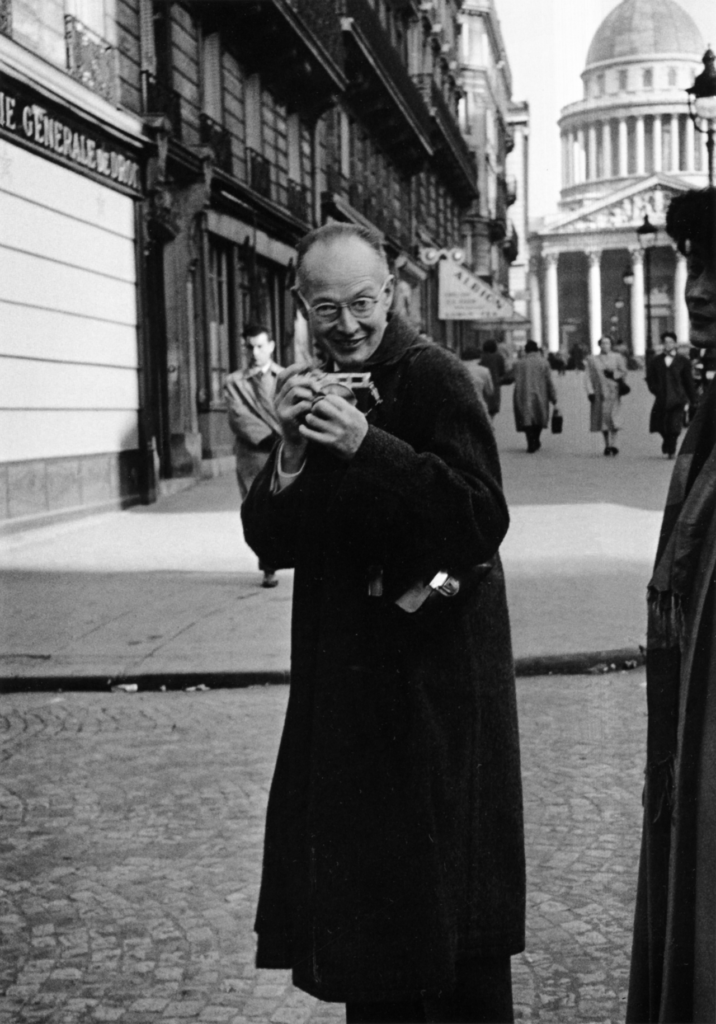
Co-founder of Magnum Photos in 1947 and author of Images à la sauvette (1952), published in English as The Decisive Moment. He covered Gandhi’s funeral in India and the final stage of the Chinese Civil War.
What to study in their work: geometry and timing. He worked almost always with a Leica and a 50 mm lens and never used flash. Pick one of his frames and trace the lines and shapes: you will see the composition was ready before the person stepped into it. The lesson is to find your stage, then wait. His archive on Magnum Photos is the place to start.
Inge Morath (Austria, 1923-2002)
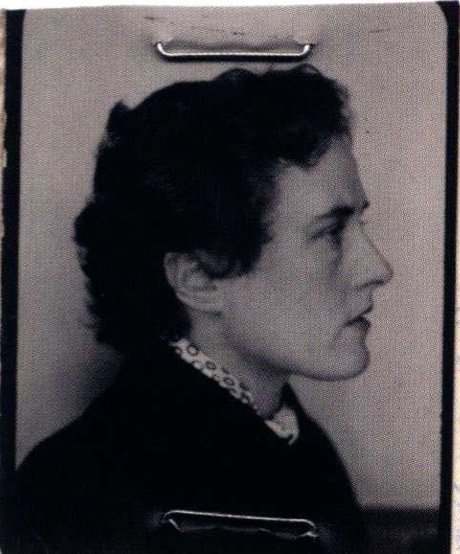
She joined Magnum in Paris as an editor, assisted Cartier-Bresson, and became a full member in 1955. Her books cover Spain, Iran, Russia and China.
What to study in their work: preparation as a form of access. Morath spoke several languages and kept adding more (Spanish, Russian, Chinese) before working in those countries. Her pictures feel calm because people trusted her. Before your next trip, ask yourself what you know about the place beyond its landmarks.
Fan Ho (Hong Kong, 1931-2016)
Born in Shanghai, he photographed the streets and markets of 1950s and 1960s Hong Kong with the same Rolleiflex for his whole career. He later directed films.
What to study in their work: light as the main subject. Ho used shafts of sun, smoke and long shadows to turn ordinary alleys into theatre. Note too that the famous diagonal shadow in Approaching Shadow was added in the darkroom: a good starting point for discussing where artistic interpretation ends and documentary truth begins.
Graciela Iturbide (Mexico, born 1942)
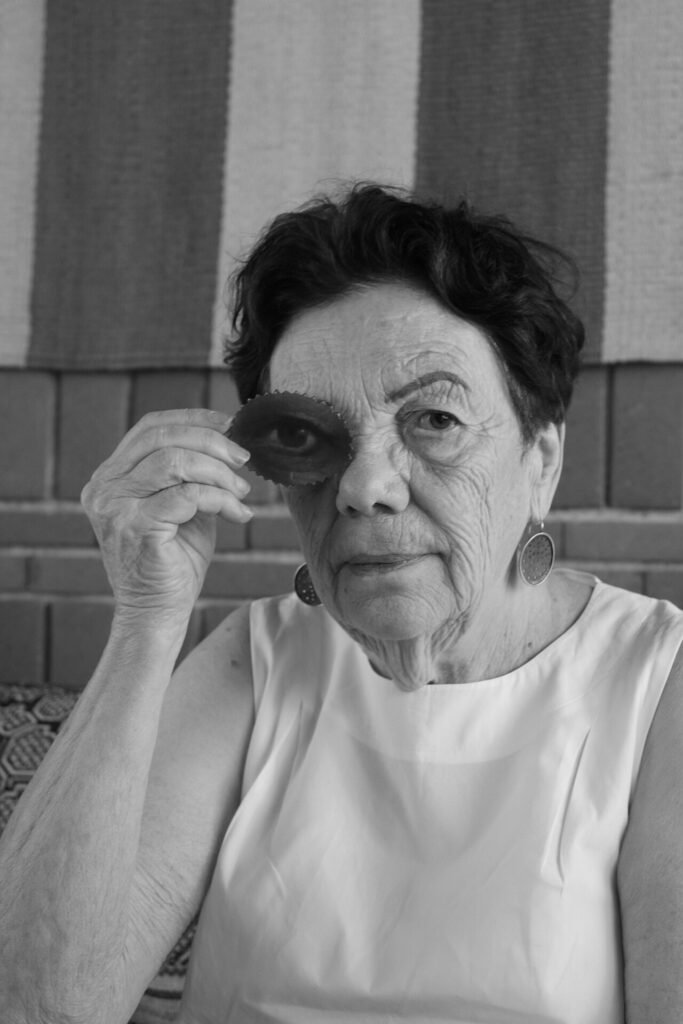
Mentored by Manuel Álvarez Bravo, she spent years with the Zapotec women of Juchitán, Oaxaca, and with the Seri people of Sonora, where she made Mujer Ángel. She received the Hasselblad Award in 2008.
What to study in their work: time and belonging. Her Juchitán series grew over roughly a decade of visits. She works almost entirely in black and white, which strips out the exotic colour that tempts so many travellers and leaves the relationship between people.
Raghu Rai (India, 1942-2026)
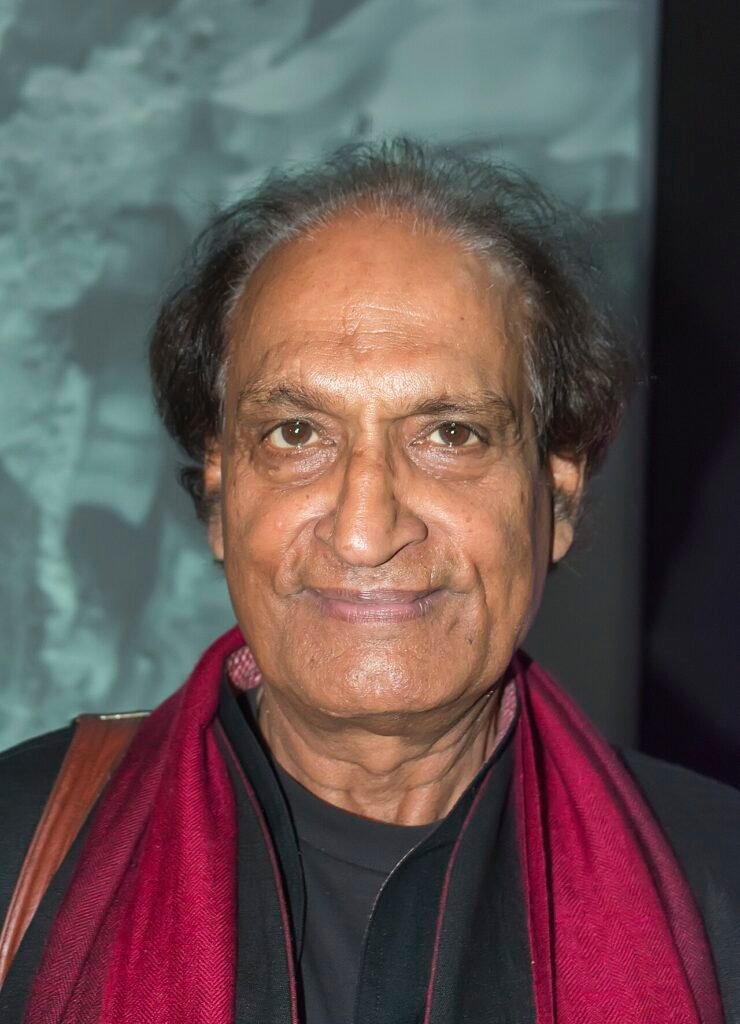
Cartier-Bresson nominated him to Magnum in 1977. As a photographer for India Today he covered the 1984 Bhopal gas disaster, and he published more than 18 books on India.
What to study in their work: crowded frames that still read clearly. Rai layered foreground, middle and background in dense Indian streets without losing the story. He also returned to Bhopal for years: a reminder that a destination is not a backdrop, and that the aftermath can be the real story.
Newsha Tavakolian (Iran, born 1981)
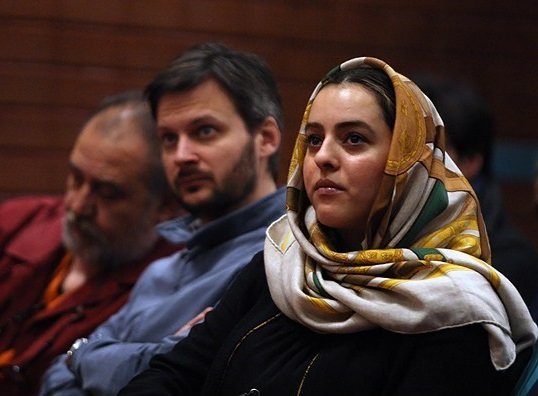
She started in the Iranian press at 16, at the women’s daily Zan, and became a full Magnum member in 2019. Her project Listen portrays women singers who cannot perform solo in public in Iran.
What to study in their work: showing what the official image hides. Tavakolian photographs her own country from the inside, often with staged, conceptual portraits. Study how she gives voice to people who are absent from the postcard version of a place.
Sebastião Salgado (Brazil, 1944-2025)
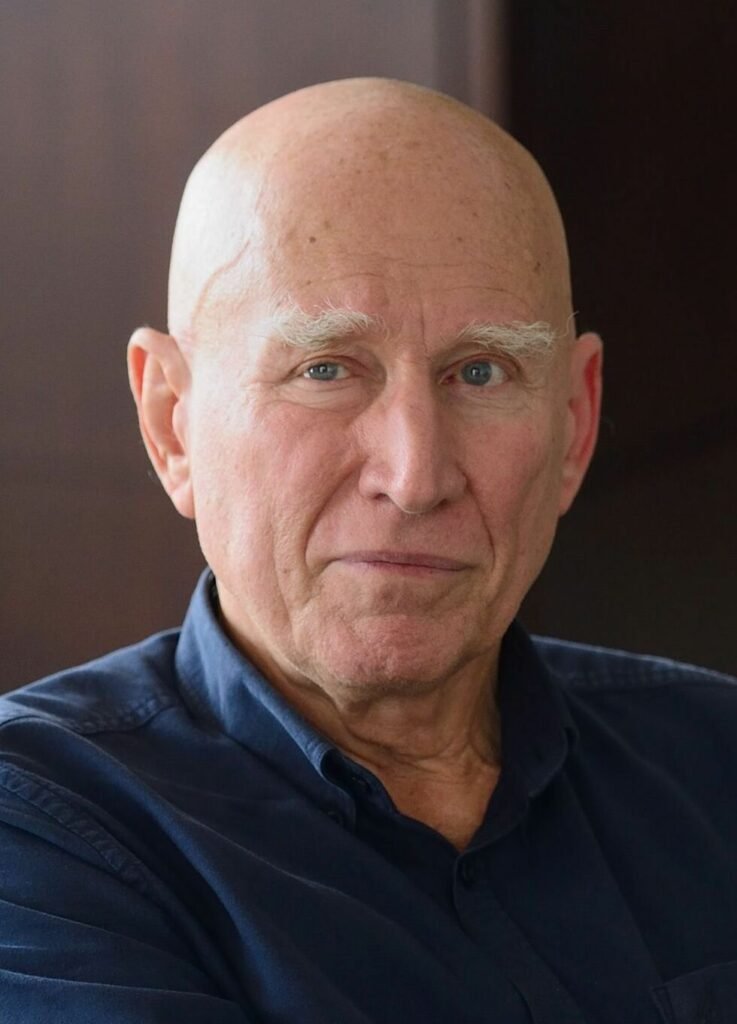
A trained economist turned photographer, he spent 2004 to 2011 on Genesis, a portrait of landscapes, wildlife and communities living by ancestral traditions. With his wife, Lélia Wanick Salgado, he founded Instituto Terra to reforest Atlantic Forest land.
What to study in their work: the long project. Salgado thought in multi-year series (Workers, Genesis, Amazônia), not single trips. His dramatic black-and-white light is easy to imitate; his commitment to one theme over years is the harder and more valuable lesson.
Martin Parr (United Kingdom, 1952-2025)
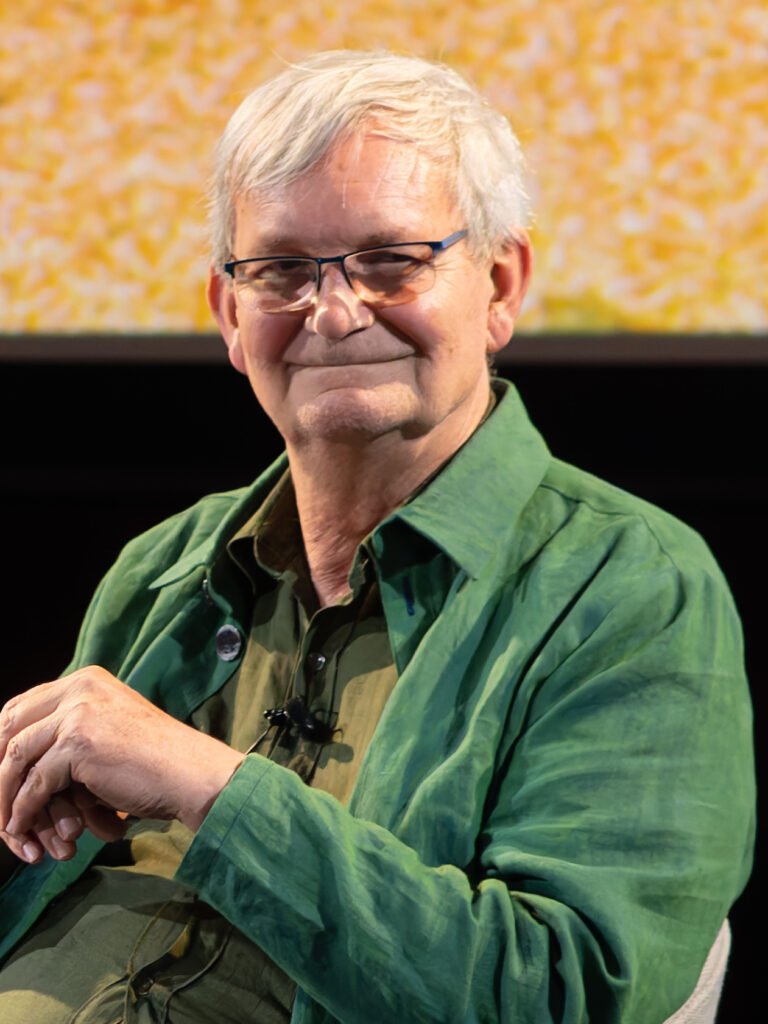
Magnum member and later its president, he shot Small World between 1987 and 1994, a colourful and critical look at mass tourism.
What to study in their work: turning the camera on the travellers themselves. Parr used saturated colour and flash to show tourists photographing the same monuments. Study him for humour, point of view and questioning your own role in a crowded destination.
National Geographic photographers to know
For many readers, National Geographic photographers are travel photography. These names show how wide the magazine’s idea of “travel” really is.
Steve McCurry (United States, born 1950)
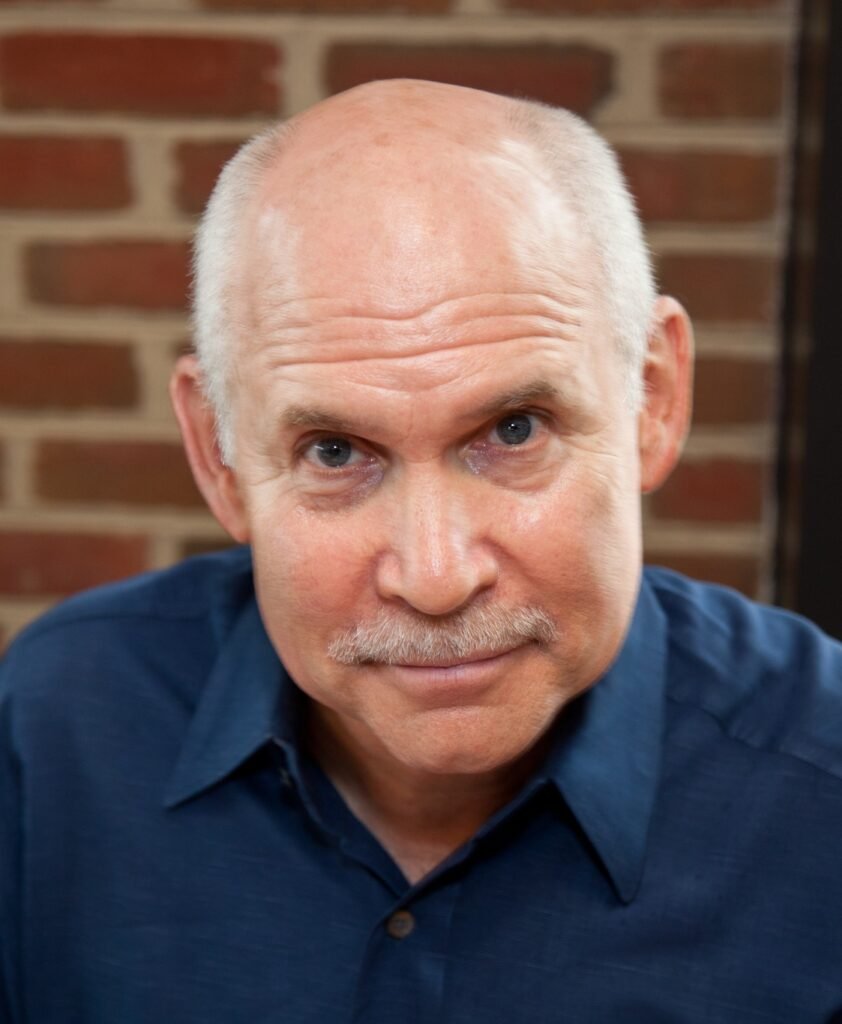
Magnum member since 1986, famous for the portrait of Sharbat Gula, the Afghan Girl on National Geographic’s June 1985 cover. He entered Afghanistan disguised in local clothes, hiding film in his clothing.
What to study in their work: colour, eye contact and risk. Study, too, the 2016 controversy over heavily retouched images: a useful case on the difference between art and journalism, and on why you should be transparent about editing.
Annie Griffiths (United States, born 1953)
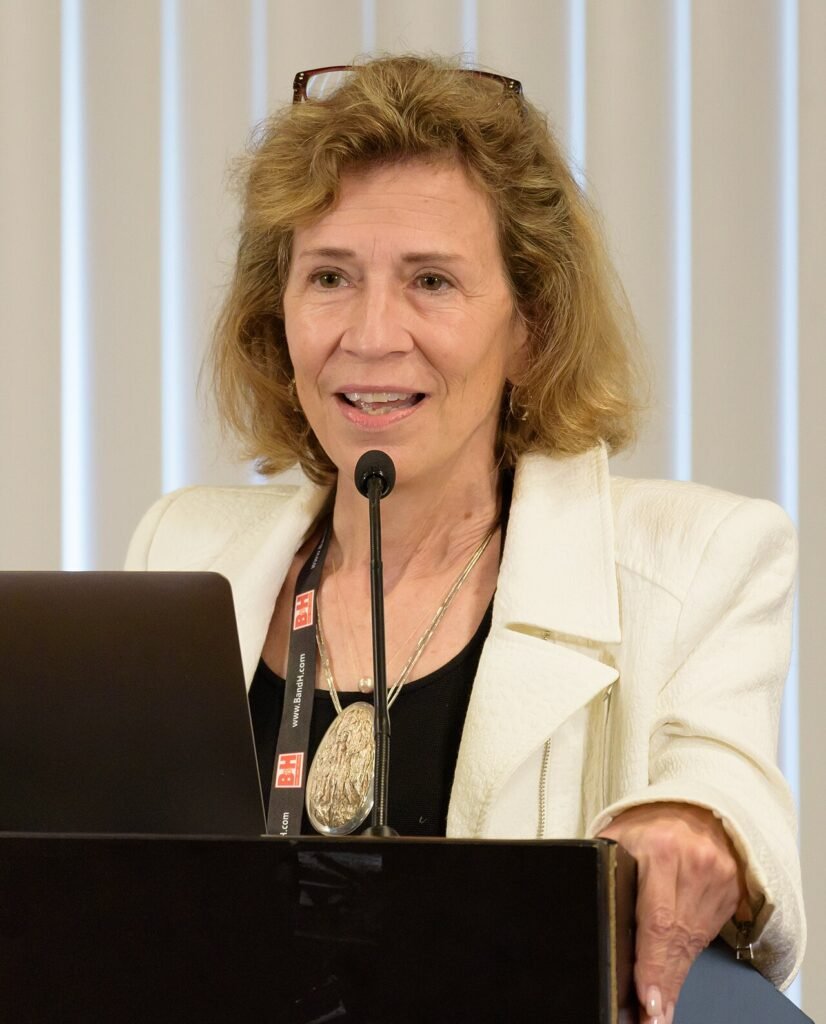
Hired in 1978, she was one of National Geographic’s first women photographers. She co-founded Ripple Effect Images and wrote the memoir A Camera, Two Kids and a Camel.
What to study in their work: warmth and closeness with people. Her pictures read as invitations rather than observations. She also shows that a career can adapt to life: she travelled on assignment with her children.
Michael Yamashita (United States)
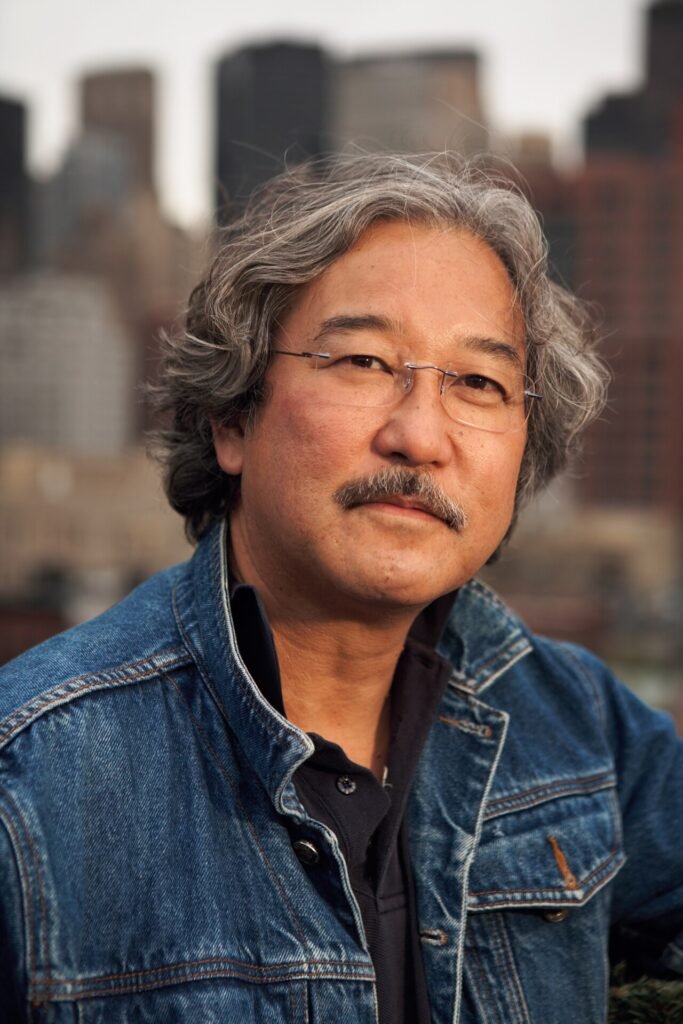
He has photographed for National Geographic for more than 30 years, focusing on Japan, China and the rest of Asia. He retraced the routes of Marco Polo and the admiral Zheng He, which also became documentaries.
What to study in their work: the historical route as a story structure. Following a historical journey gives you a narrative spine, built-in sources and a reason for every stop. Try it with a local route near you.
Ami Vitale (United States)
A National Geographic photographer and filmmaker, she moved from conflict reporting to wildlife and conservation. Her image of keeper Joseph Wachira with Sudan, the last male northern white rhino, at Ol Pejeta in Kenya, became one of the magazine’s most popular photos of the 2010s.
What to study in their work: the human side of nature stories. Vitale puts the people who care for animals at the centre. Her book Panda Love shows the patience of following one story for years.
David Doubilet (United States, born 1946)
He has shot about 70 features for National Geographic since 1971, many with his partner, aquatic biologist Jennifer Hayes.
What to study in their work: technique at the service of an idea. Doubilet helped pioneer the split-level photo (half above, half below the water). The lesson: master one technical skill until it becomes a way of seeing.
Cristina Mittermeier (Mexico, born 1966)
Trained in marine sciences, she founded the International League of Conservation Photographers in 2005 and co-founded SeaLegacy with Paul Nicklen in 2014. Her work has appeared in National Geographic.
What to study in their work: photography with a purpose. Every image is part of a campaign. Ask yourself what you want a reader to do after seeing your pictures.
Paul Nicklen (Canada)
Raised among Inuit communities on Baffin Island and trained as a biologist, he photographed polar regions for National Geographic for about 20 years.
What to study in their work: knowledge of your subject. His understanding of ice and wildlife lets him anticipate behaviour. Local knowledge and research are what put a travel photographer in the right place.
Joel Sartore (United States)
After 17 years with National Geographic, in 2006 he started the Photo Ark, which now includes more than 18,000 species photographed in studio conditions.
What to study in their work: the power of a system. One clean, repeatable format (plain background, eye level) turns thousands of images into one coherent work. Consistency is a style.
William Albert Allard (United States, born 1937)
He joined National Geographic as an intern in 1964 and worked in colour from the start, covering the Amish, the American West (his book Vanishing Breed) and the Basque country.
What to study in their work: intimate colour portraits and patience with communities that are hard to reach. Allard’s pictures depend on time spent, not on spectacular locations.
Héctor Ruiz Golobart, a student of our master, was recently interviewed by National Geographic Traveler Spain about Faces of Africa, his ethnographic project on the women of African communities.
What makes a great travel photographer?
A great travel photographer combines three things: access (the trust of the people and places they photograph), patience (waiting for light, timing and stories that take years) and a point of view. Technique matters, but every person on this list is remembered for how they looked at a place, not for their camera.
Ethics is the fourth element. Consent, honest editing and respect for local communities separate travel journalism from souvenir photography.
How to study a travel photographer (without copying them)
- Choose one photographer and stay with them for a month. Depth beats scrolling.
- Look at a full series or book, not single images. Note how the sequence opens, builds and closes.
- Read the light. Time of day, direction, hard or soft. Write it down for ten frames.
- Draw the composition. Sketch the main lines and shapes on paper.
- Research the access. How long did they stay? Who helped them? Interviews and captions often tell you.
- Do one exercise inspired by them. A Parr-style series on tourists, a Sartore-style consistent format, a Yamashita-style route.
- Compare and write. Put your pictures next to theirs and write three sentences on what you learned.
The same method works for other genres. Try it with our food photographers worth studying or our selection of famous documentary photographers.
From studying to telling your own stories
Famous travel photographers are not a catalogue of looks to copy. They are proof that time, research and a clear point of view produce images that last. Pick one name from this list, study one book, then go out and shoot a small series on a place you know well.
If you want guidance to turn your travels into published stories, with images and words working together, take a look at our Master in Travel Journalism.