The best way to learn how to tell true stories about places and people is to study the famous documentary photographers who did it first, and did it well. This list brings together 17 of them, from 1900s social reformers to today’s visual activists, with notes on exactly what to look at in their work. It is the same reading of images we practise in our Master in Travel Journalism, because a travel story is, at heart, a documentary story.
Studying a photographer does not mean copying their style. It means asking how they got access, how long they stayed, what they wrote under each picture and in what order they showed it.
What is documentary photography?
Documentary photography is the practice of photographing real people, places and events to record them truthfully and, often, to change how others see them. It usually unfolds over time, in series rather than single images, and relies on access, context and captions as much as on the picture itself. Social documentary photography is the branch that focuses on living conditions and injustice, with the aim of public awareness or reform.
A rule of thumb: news photography answers “what happened today?”, documentary photography answers “how do people live, and why?”.
Why travel journalists should study documentary photographers
Travel journalism often stays on the surface: the view, the dish, the sunset. Documentary photographers stay longer, ask permission, take notes and come back. Borrow three habits from them:
- Time. Many of the projects below took years, not days. On a short trip, pick one street, one family business or one festival and go deep.
- Context. A caption with a name, a place and a fact turns a pretty picture into information.
- Sequence. The order of images is a form of writing.
Pair this list with our travel photography guide for the practical side, and with our sibling list of famous travel photographers.
The documentary photographers to study
1. Lewis Hine (United States, 1874-1940)
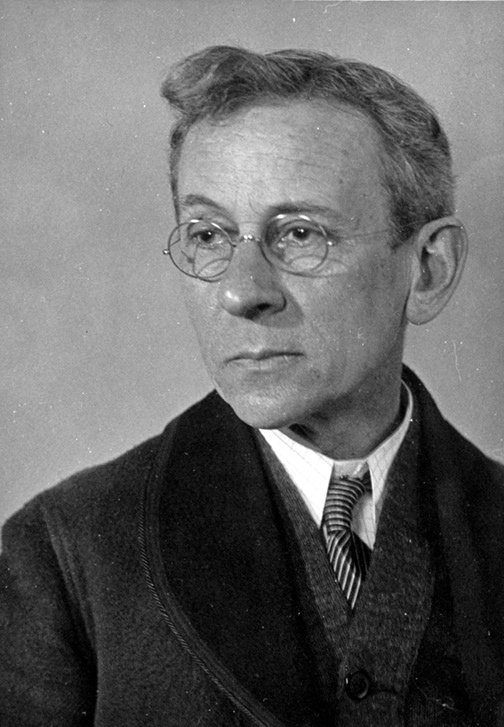
A former teacher, Hine became the photographer of the National Child Labor Committee in 1908 and spent years photographing children working in mills, mines and factories. To get inside, he sometimes posed as a fire inspector or a Bible salesman.
What to study in their work: captions. The NCLC prints held by the Library of Congress often record names, ages, places, hours and wages. Hine treated the caption as evidence, not decoration.
2. Dorothea Lange (United States, 1895-1965)
Lange’s Migrant Mother (Nipomo, California, 1936), made for the Resettlement Administration, became one of the defining images of the Depression. With economist Paul Taylor she published An American Exodus (1939), and in 1941 she became the first woman awarded a Guggenheim Fellowship in photography. In 1942 she documented the forced removal of Japanese Americans; most of those images were impounded during the war.
What to study in their work: the conversation before the picture. Lange talked with people, wrote down what they said and used their words in her notes.
3. Walker Evans (United States, 1903-1975)
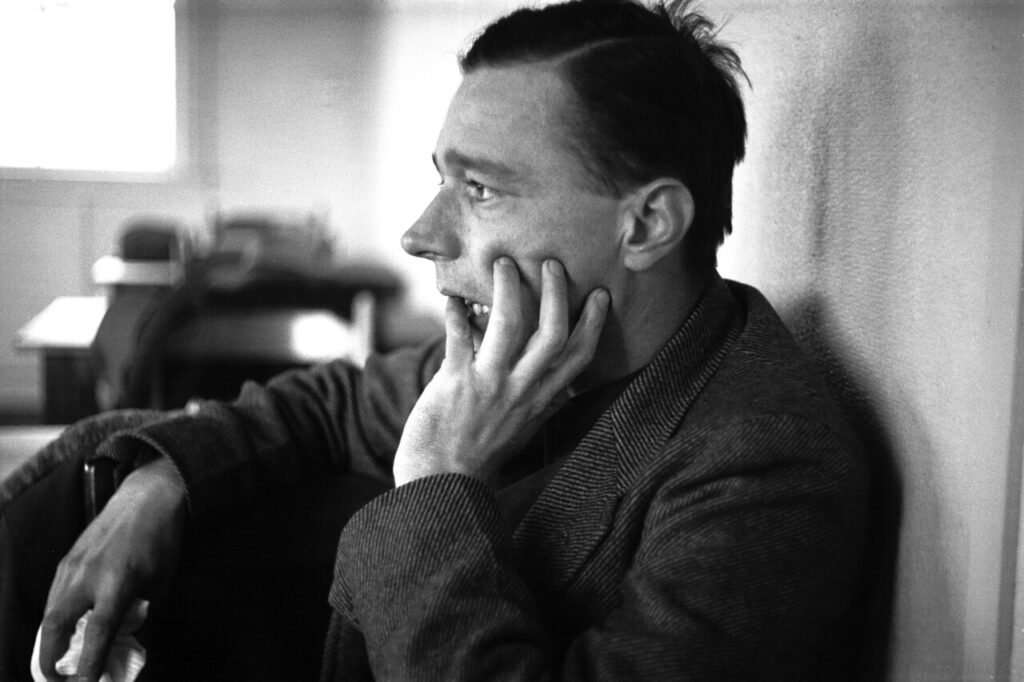
Evans photographed the American South for the Farm Security Administration from 1935 to 1938. In 1936, Fortune sent him to Hale County, Alabama, with writer James Agee; the magazine never ran the story, which became the book Let Us Now Praise Famous Men (1941). His 1938 MoMA show, American Photographs, was the museum’s first devoted to a single photographer.
What to study in their work: restraint. Frontal, quiet compositions that let rooms, signs and faces speak, and a writer-photographer partnership that is a model for any travel assignment.
4. Margaret Bourke-White (United States, 1904-1971)
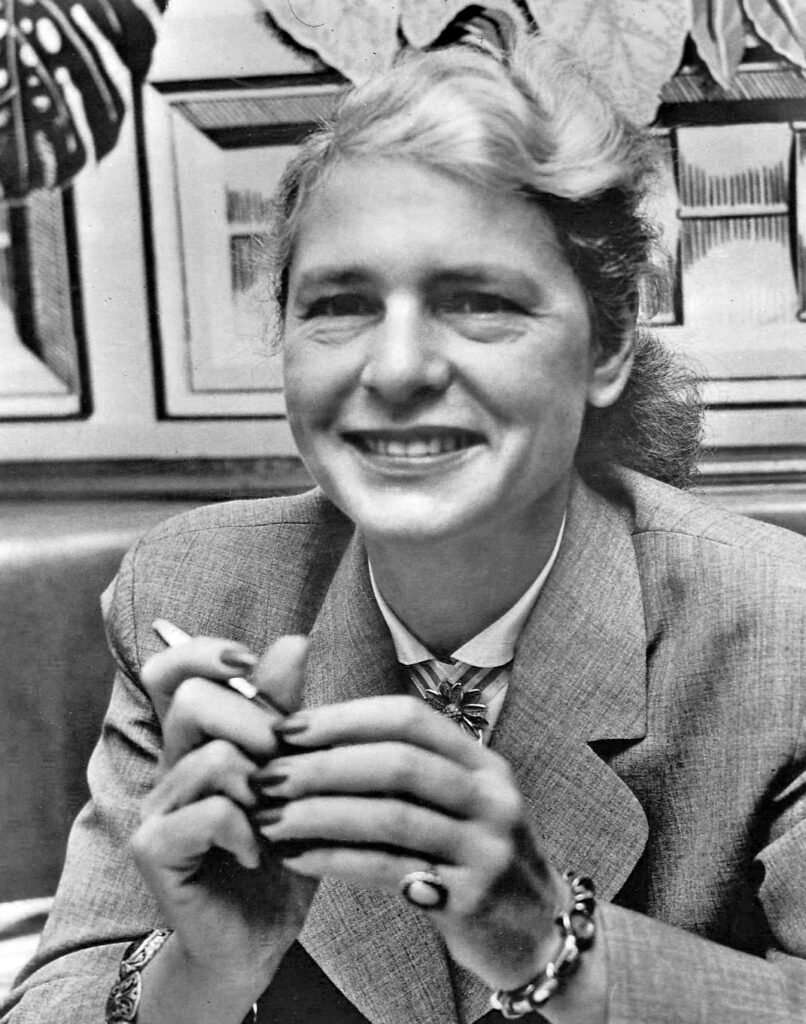
Her photograph of Fort Peck Dam ran on the cover of the very first issue of Life in 1936. With novelist Erskine Caldwell she made You Have Seen Their Faces (1937) about Southern sharecroppers. In 1930 she became the first foreign photographer given official access to Soviet industry.
What to study in their work: getting access to places that are officially closed, and the persistence it takes.
5. Henri Cartier-Bresson (France, 1908-2004)
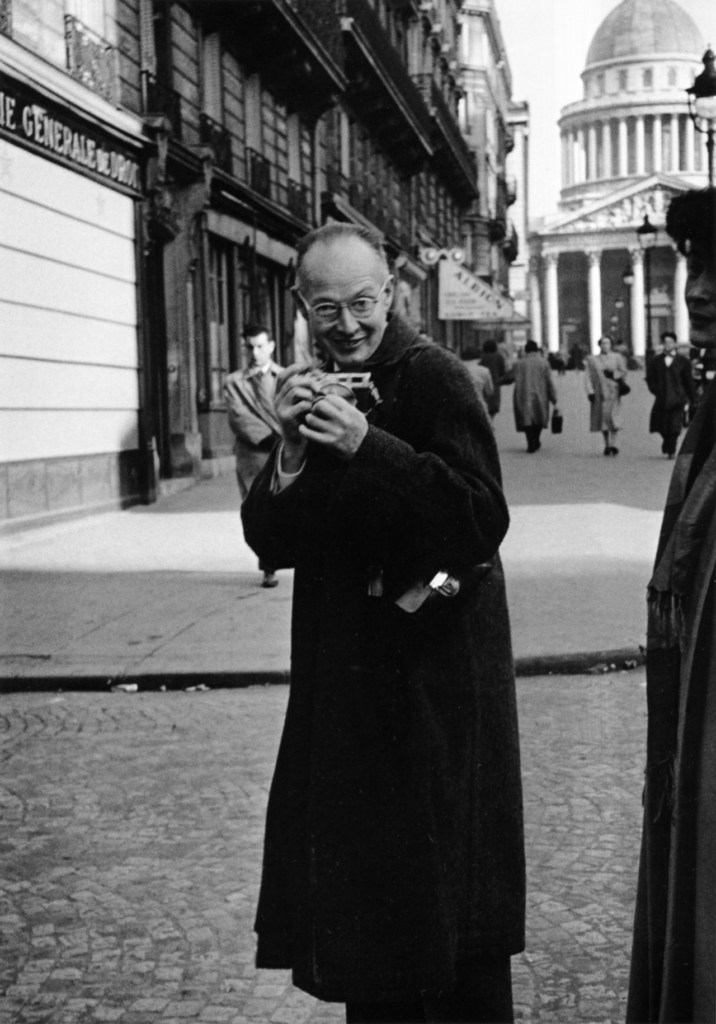
Co-founder of Magnum Photos in 1947, Cartier-Bresson worked almost always with a Leica and a 50 mm lens. His first book, Images à la sauvette (1952), appeared in English as The Decisive Moment. He covered Gandhi’s funeral in 1948 and the transition of power in China in 1948-49. See his profile at Magnum Photos.
What to study in their work: composition and patience. He printed full frame, without cropping, so everything had to be resolved in the viewfinder.
6. Gordon Parks (United States, 1912-2006)
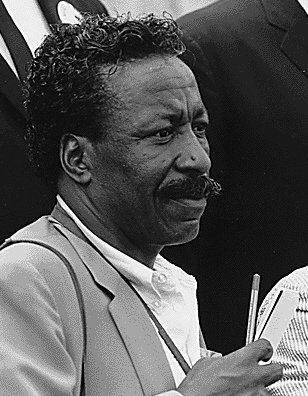
Parks joined the FSA photography section in 1942, where he made American Gothic, Washington, D.C., a portrait of Ella Watson. A 1948 essay on a Harlem gang leader earned him a staff job at Life, where he worked until 1972. His 1961 Life story on Flávio da Silva, a sick boy in a Rio de Janeiro favela, prompted readers to send donations.
What to study in their work: point of view. Parks saw the camera as a tool against poverty and racism, and he often built a story around one person or family.
7. W. Eugene Smith (United States, 1918-1978)
Smith spent weeks with a rural doctor in Kremmling, Colorado, for Country Doctor (Life, 1948), often called the first extended photo essay. With Aileen Mioko Smith he lived in Minamata, Japan, from 1971 to 1974 to document mercury poisoning; the book Minamata came out in 1975.
What to study in their work: the long stay. Smith moved in, earned trust and let the story grow far beyond the original brief.
8. Vivian Maier (United States, 1926-2009)
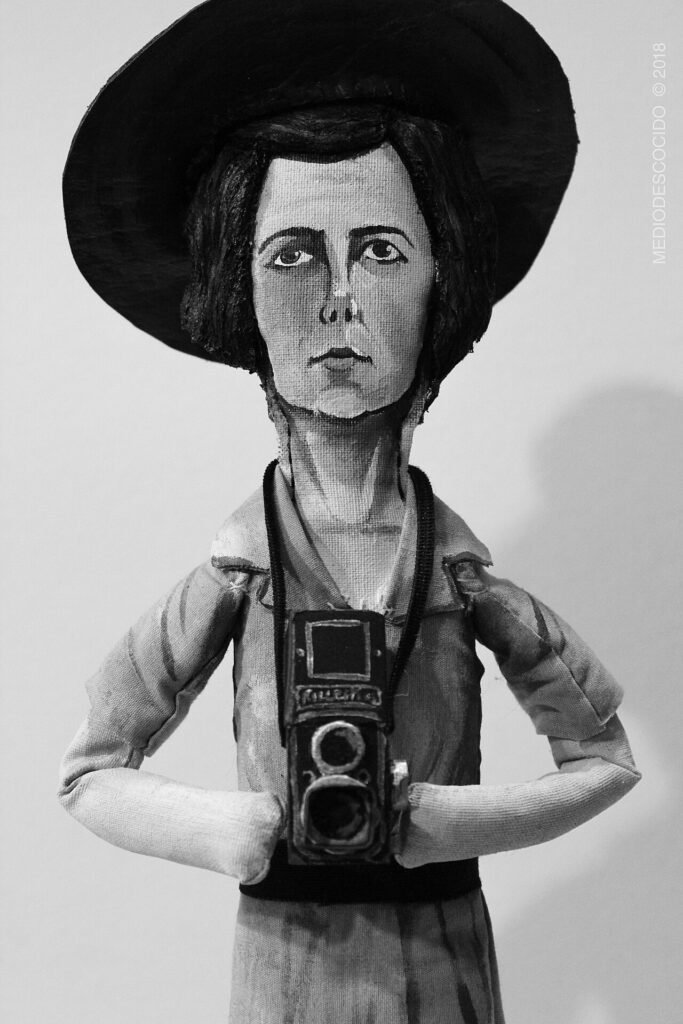
Maier worked for about four decades as a nanny, mostly in Chicago, while taking more than 150,000 photographs she never showed. Her negatives surfaced at auction in 2007 and became famous through the documentary Finding Vivian Maier (2013), nominated for an Academy Award.
What to study in their work: street portraits made at waist level with a Rolleiflex, and her many self-portraits in reflections and shadows.
9. Malick Sidibé (Mali, 1935/36-2016)
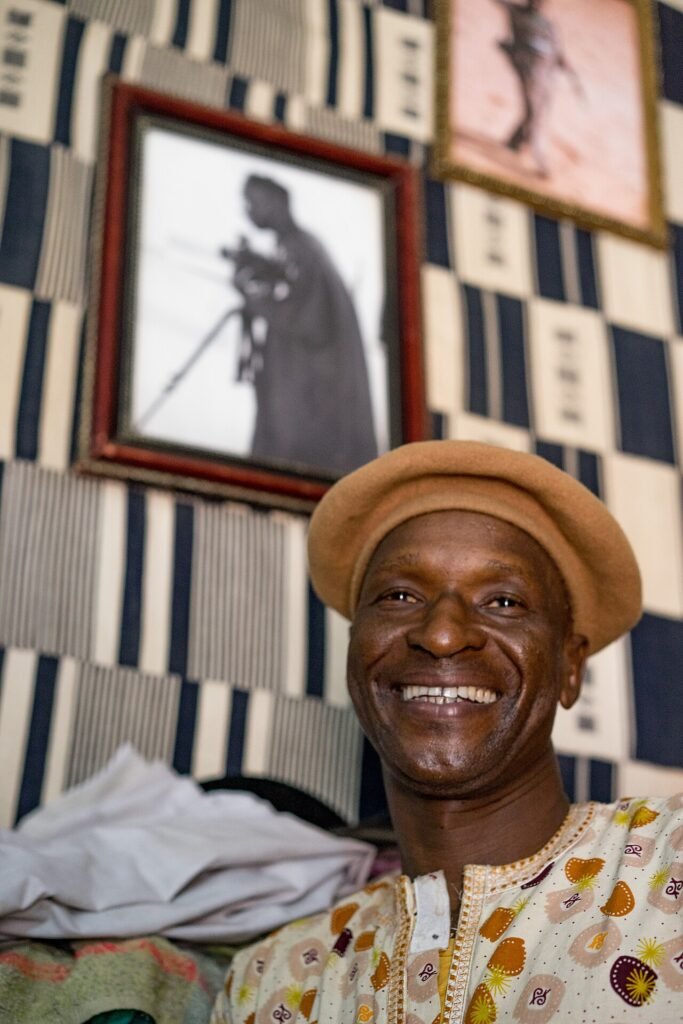
Sidibé opened his studio in Bamako in 1962 and photographed the city’s young people at parties, dances and concerts in the years after independence. In 2007 he became the first photographer, and the first African, to receive the Venice Biennale’s Golden Lion for Lifetime Achievement.
What to study in their work: joy as a documentary subject.
10. Mary Ellen Mark (United States, 1940-2015)
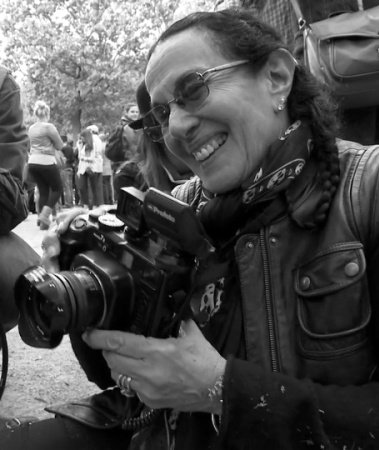
For Ward 81 she lived for six weeks inside a women’s security ward in Oregon; for Falkland Road she spent three months with sex workers on one street in Bombay. Her 1983 Life story “Streets of the Lost”, on runaway teenagers in Seattle, became the Oscar-nominated film Streetwise. She kept photographing one of those teenagers, Tiny, for more than 30 years.
What to study in their work: coming back. A relationship with a subject can become the project itself.
11. Raghubir Singh (India, 1942-1999)
Singh was among the first photographers in the early 1970s to treat colour as a serious medium. His books include Ganga: Sacred River of India (1974), Calcutta (1975) and Bombay: Gateway to India (1994).
What to study in their work: dense, layered colour frames that hold street life, architecture and ritual at once.
12. Graciela Iturbide (Mexico, born 1942)
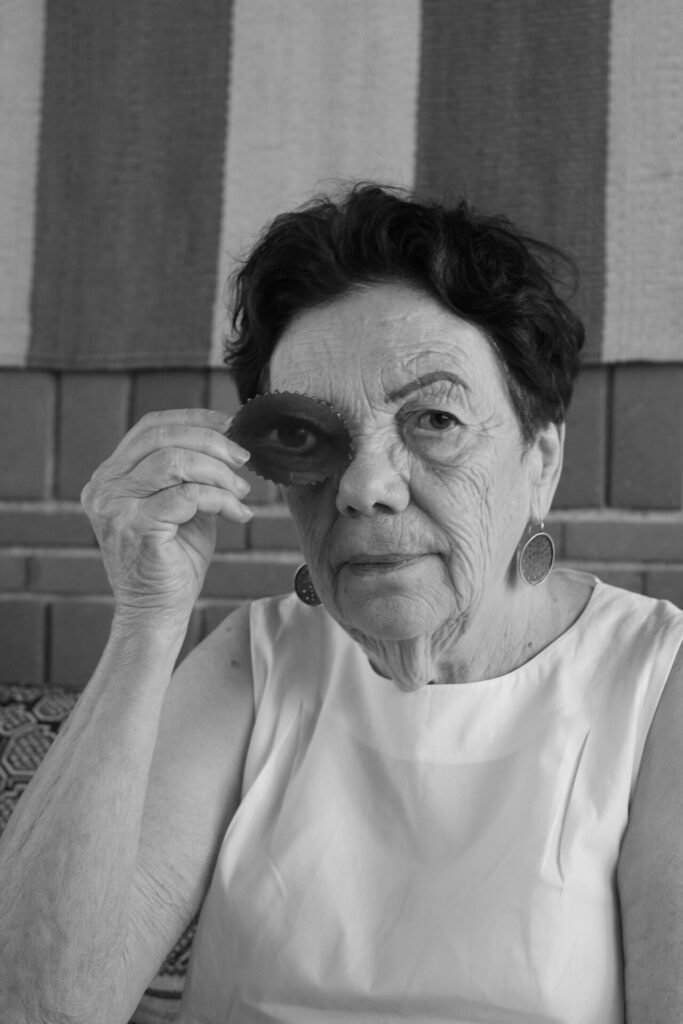
A student of Manuel Álvarez Bravo, Iturbide was invited in 1979 to photograph the Zapotec women of Juchitán, Oaxaca, and returned over about a decade. That work produced Nuestra Señora de las Iguanas. In 1978 she photographed the Seri people of the Sonoran Desert, where she made Mujer Ángel. She received the Hasselblad Award in 2008.
What to study in their work: earning an invitation. The women of Juchitán let her into private celebrations because she became part of their lives first.
13. Sebastião Salgado (Brazil, 1944-2025)
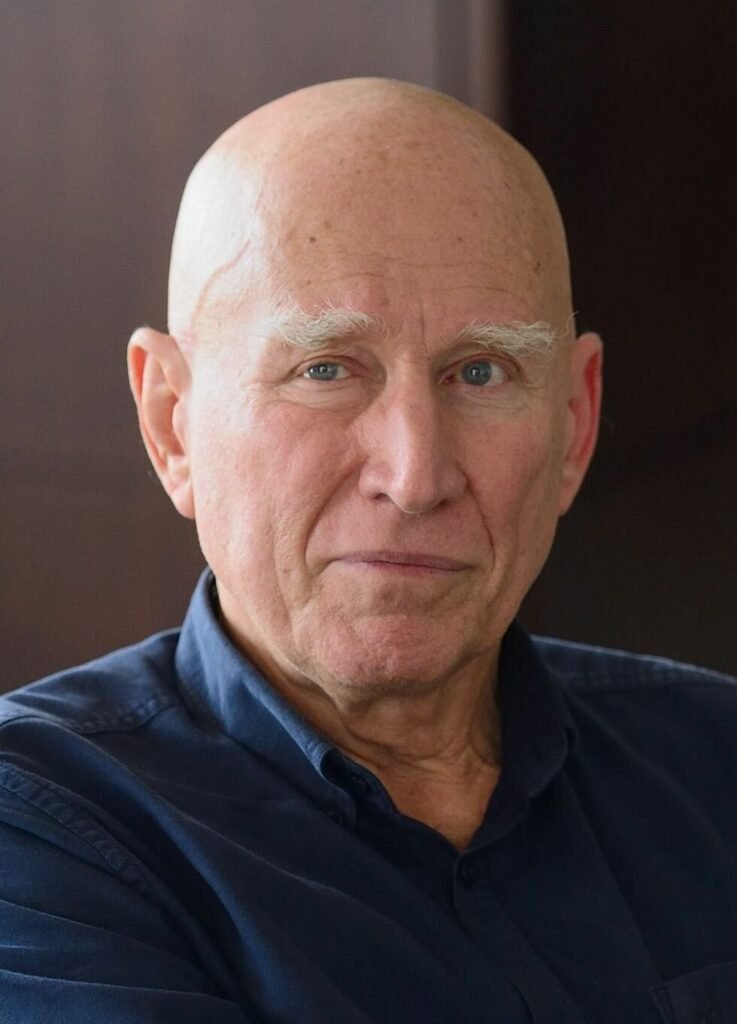
Trained as an economist, Salgado switched to photography in 1973. His images of the Serra Pelada gold mine (1986-89) and the books Workers (1993), Genesis (2013) and Amazônia (2021) are monumental long-term projects. With Lélia Wanick Salgado he founded Instituto Terra to reforest part of Brazil’s Atlantic Forest.
What to study in their work: project scale and editing, and the debate his dramatic style has raised about beauty and suffering.
14. Susan Meiselas (United States, born 1948)
Meiselas joined Magnum in 1976. Her book Nicaragua, June 1978-July 1979 (1981) covered the revolution, and her film Pictures from a Revolution (1991) returned to the people in those photographs.
What to study in their work: giving pictures back. In 2004 she installed mural-size prints at the original Nicaraguan locations.
15. Alec Soth (United States, born 1969)
Sleeping by the Mississippi (2004), his first book, grew out of road trips along the river, shot in large-format colour. He became a full member of Magnum in 2008 and runs the publishing house Little Brown Mushroom.
What to study in their work: the road trip as structure. The river organises the book without being its only subject, a perfect model for travel storytelling.
16. Zanele Muholi (South Africa, born 1972)
Muholi describes themself as a visual activist. Their ongoing series Faces and Phases, started in 2006, portrays Black lesbian, queer, trans and gender non-conforming people, often alongside the participants’ own testimonies. The self-portrait series Somnyama Ngonyama began in 2014. Tate Modern held a major retrospective in 2020-21 (Tate).
What to study in their work: representation from inside a community, and the participant’s voice placed next to the image.
17. Lynsey Addario (United States, born 1973)
Addario has photographed conflict for The New York Times and National Geographic, with a sustained focus on women. She shared the 2009 Pulitzer Prize for International Reporting with the Times team and received a MacArthur Fellowship. Her memoir is It’s What I Do (2015).
What to study in their work: how she finds intimate, everyday scenes even in war zones.
The ethics of photographing people
Documentary history includes mistakes and second thoughts. Migrant Mother‘s subject, Florence Owens Thompson, went unnamed for decades and was only identified in 1978. W. Eugene Smith’s most famous Minamata image was withdrawn from circulation in 1997 at the wish of the subject’s family. Keep these in mind abroad:
- Ask, and explain. Say who you are and where the image might appear.
- Record names and context. Like Hine and Lange, write it down. It honours people and protects your accuracy.
- Think about power. You can leave; your subject usually cannot.
- Respect a “no”, and later wishes. Consent can change over time.
- Give back. Share prints or files, as Meiselas did.
Our piece on sustainable travel journalism covers the wider responsibility of reporting on places you visit.
What to do next
Pick two photographers from this list, one historical and one contemporary. Study a full project, not just the famous frame: how it opens, how it ends, what the captions say. Then watch some of the documentaries worth watching before you travel with the same eyes.
Most of the famous documentary photographers above share one habit: they stayed long enough to understand. That is the habit worth taking on your next trip. If you want to build it with structure and feedback, our Master in Travel Journalism is a good place to start.