The best food photoshoot ideas are not about making a plate look perfect. They are about showing who made it, where it comes from and why it matters to the people who eat it. Here are 20 shots you can plan this week, from breakfast tables to night markets, and if you want to turn that way of seeing into a career, it is the heart of our Master in Gastronomic Journalism and Communication.
Short answer first: a good food photoshoot idea combines one clear subject, one deliberate light source and one story. Decide what the image should say (freshness, tradition, abundance, craft, a specific place), then choose the angle, props and moment that say it. Everything below follows that logic.
What is culinary photography?
Culinary photography is the practice of photographing food, drink and the people and places around them, for editorial, commercial or documentary use. It ranges from tightly styled studio shots for menus and packaging to reportage in kitchens, farms and markets. For a travel or food journalist, culinary photography is a way of reporting: the image carries information about culture, season and craft, not just appetite.
If you want to see how the masters handle that balance, start with our selection of food photographers worth studying. Then come back and try these ideas.
Before the shoot: a quick checklist
- Define the story in one sentence. “A grandmother’s Sunday bread” is a brief. “Bread” is not.
- Scout the light. Note where the window or the sun sits at the hour you will shoot.
- Choose a palette. Two or three colors for surfaces and props, chosen to support the food.
- Prep a hero and a stand-in. Use a stand-in plate to set light and composition, then bring in the fresh one.
- Pack small fixers. Tweezers, a brush, paper towels, a spray bottle, a small white card to bounce light.
- Ask permission. In markets, kitchens and homes, ask before you photograph people, and explain where the images will appear.
Storytelling food photoshoot ideas
These ideas put people and process in the frame. They are the backbone of editorial food photography.
1. Hands at work
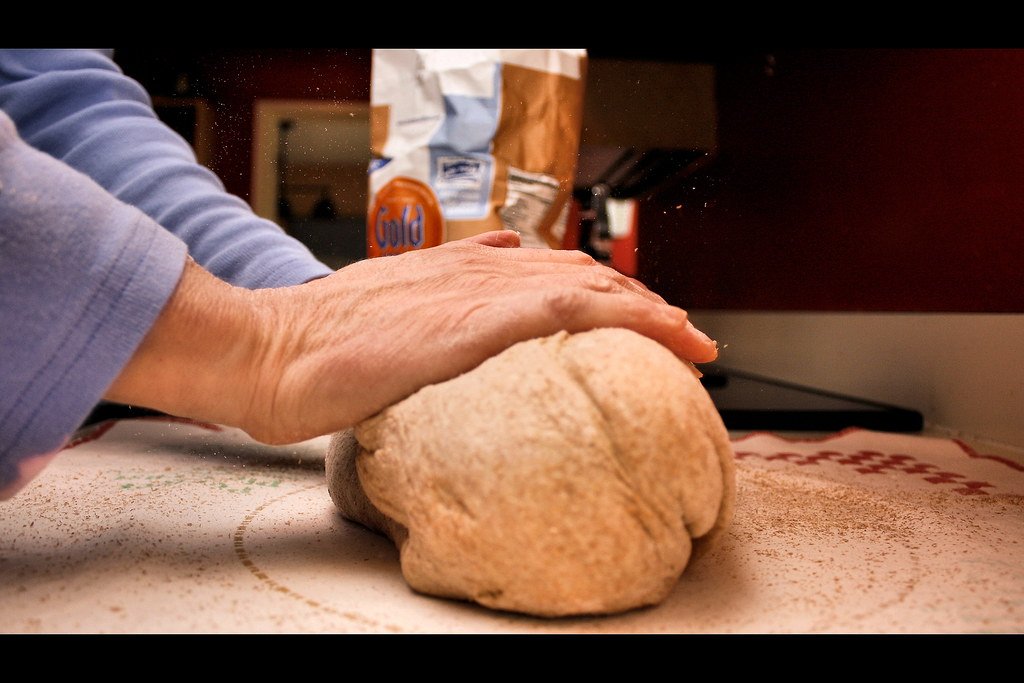
What to shoot: Hands kneading dough, folding dumplings, shelling beans, pouring sauce.
How: Side light from a window, shot slightly from above. A standard or short telephoto lens lets you fill the frame without crowding the cook. Use a fast enough shutter to freeze flour or drips, or slow it slightly to let motion blur suggest rhythm.
The story: Skill and repetition. Hands say “someone made this” more powerfully than any finished plate.
2. The process sequence
What to shoot: Three to six frames from raw ingredients to finished dish, all from the same angle.
How: Lock your camera on a tripod overhead and keep the light constant so only the food changes. This works beautifully as a carousel or a step-by-step spread.
The story: Transformation. Readers understand the dish because they watched it being built.
3. Portrait of the cook
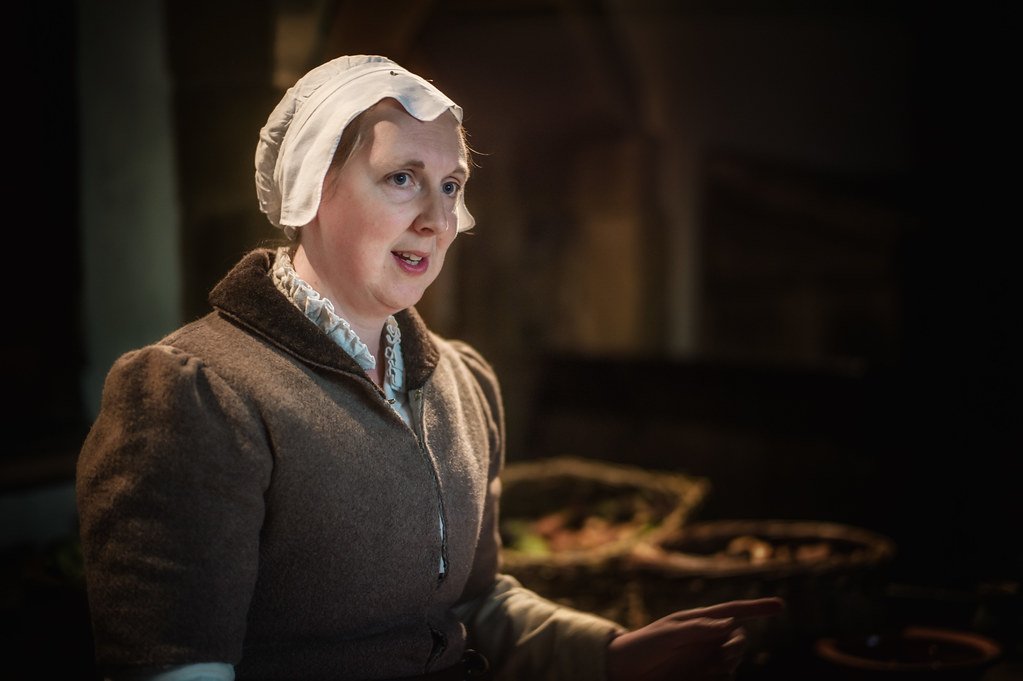
What to shoot: The person behind the food, at their stove, counter or stall, with the dish present but secondary.
How: Environmental portrait with a moderately wide lens, so the kitchen tells part of the story. Talk to them while you shoot; the best expressions come mid-conversation.
The story: Authorship. In travel and food journalism, the cook is often the real subject.
4. The market at opening time
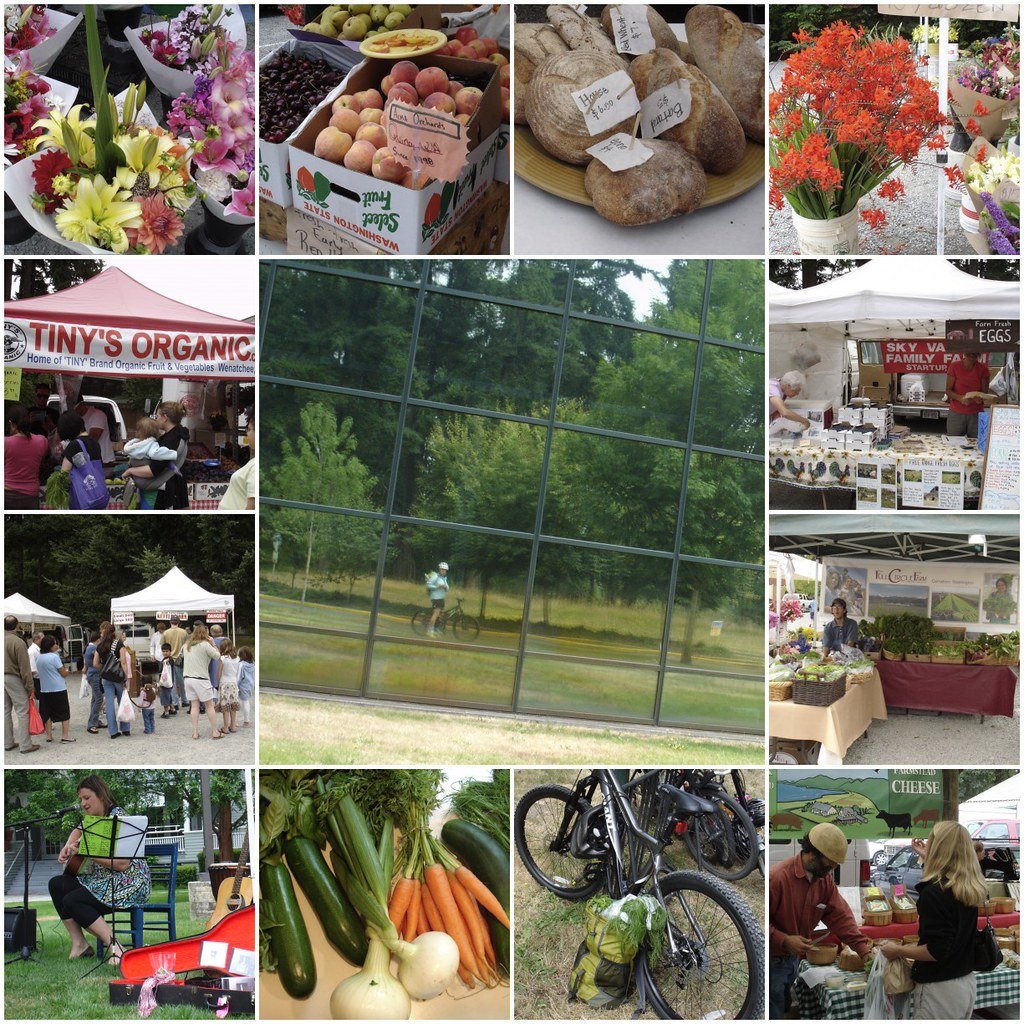
What to shoot: Vendors setting up, crates being unloaded, the first customers haggling.
How: Arrive early, when light is low and the place is busy but not crowded. Alternate wide scene-setters with tight details of produce, scales and handwritten prices.
The story: Where the food comes from, and the economy and community around it.
5. The shared table
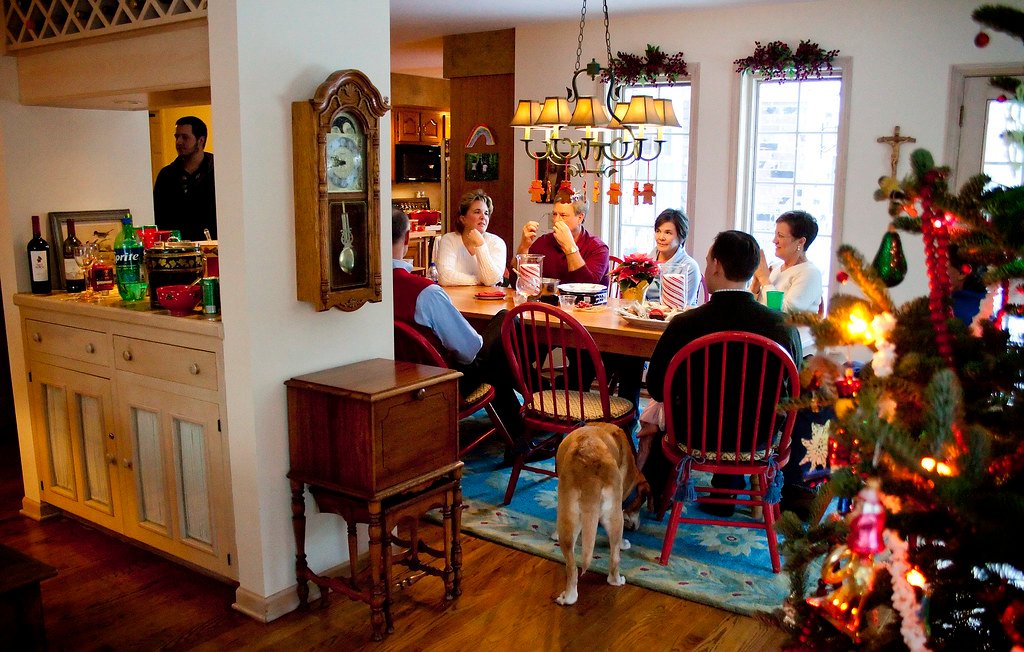
What to shoot: Several people reaching for dishes, passing plates, pouring for each other.
How: Shoot from above or at table height, and keep faces partly out of frame if you want the food to lead.
The story: Food as a social act, which is how most cultures actually experience it.
Styling and light ideas
These are about craft. If you want to go deeper on the prop and plating side, read our piece on what a food stylist actually does.
6. One window, one plate
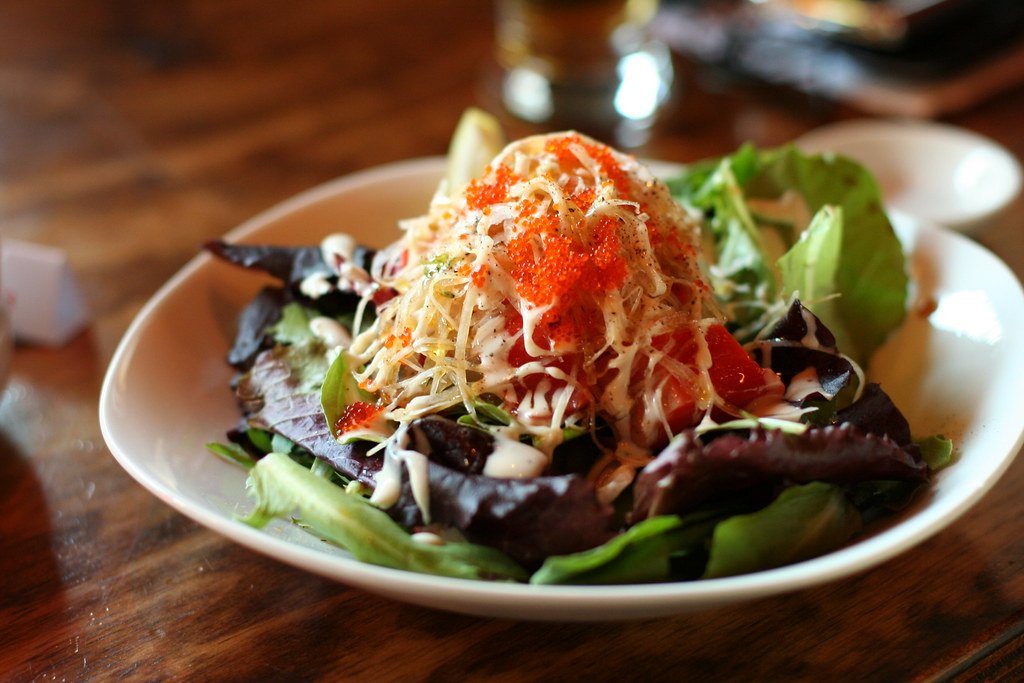
What to shoot: A single dish lit only by a side window, with a dark or neutral background.
How: Place the food so light rakes across it, then add a white card on the opposite side to soften the shadows only as much as you need. Shoot at roughly table height or a shallow angle.
The story: Texture and simplicity. It is the most useful food photography tip to practice.
7. Backlit steam and liquids
What to shoot: Soup, coffee, broth, syrup, anything that steams, glistens or pours.
How: Put the light behind the subject and shoot against a dark background so steam and translucency glow. Shoot quickly; steam fades in seconds.
The story: Heat and freshness, felt rather than explained.
8. The flat lay with a narrative
What to shoot: An overhead layout of a dish and its ingredients, tools or context (a recipe card, a bus ticket, a local newspaper).
How: Shoot straight down, keep edges deliberate and leave negative space for text if the image will run with a headline.
The story: Everything that goes into a meal, including the trip that led you to it.
9. Crumbs and imperfection
What to shoot: The plate after the first bite, a torn loaf, a smear of sauce, a fallen herb.
How: Style it, then deliberately “unstyle” one element. Shallow depth of field keeps the mess soft and inviting.
The story: This food is real and someone is enjoying it.
Food photoshoot ideas by subject
Many readers search by subject, so here are ideas for the most popular ones.
10. Breakfast in context
What to shoot: A local breakfast where it is actually eaten: a café counter, a hotel terrace, a kitchen at dawn.
How: Early morning light is low and warm; use it. Include a cup, a newspaper or a view through the window to anchor the place.
The story: How a city or a family starts its day.
11. The cake photoshoot: the slice, not the cake
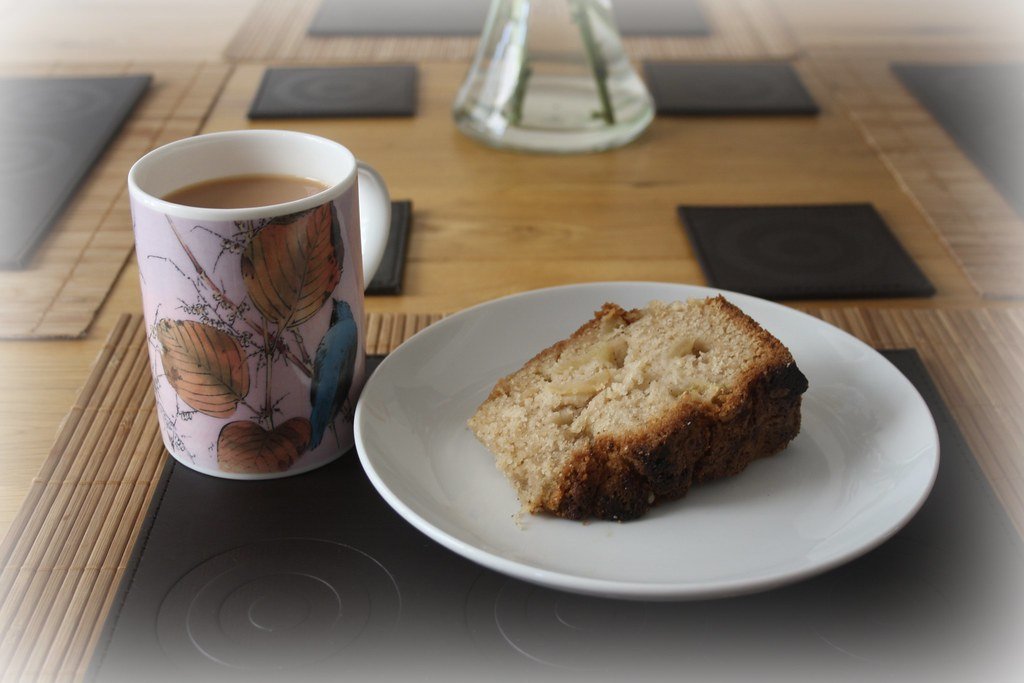
What to shoot: One slice pulled from a whole cake, layers visible, with the rest of the cake soft in the background.
How: Shoot at a low angle to show the layers, light from the side, and add a fork with a bite on it. For celebration cakes, include candles, hands or a blurred party behind.
The story: The moment of eating, plus the occasion that justified the cake.
12. Baking with flour in the air
What to shoot: Flour being dusted over dough, a baker shaping loaves, a tray coming out of the oven.
How: A strong side or back light makes flour visible. Use burst mode and a fast shutter.
The story: Craft, warmth and the physicality of baking.
13. Chocolate: texture and break
What to shoot: A bar snapping in two, shavings, melted chocolate dripping from a spoon.
How: Chocolate is dark and reflective, so control highlights with a diffused source and dark surroundings. Work fast in a cool room to avoid melting.
The story: Indulgence, and where relevant, origin: the cacao farm or the chocolatier’s workshop.
14. Fruit at its source
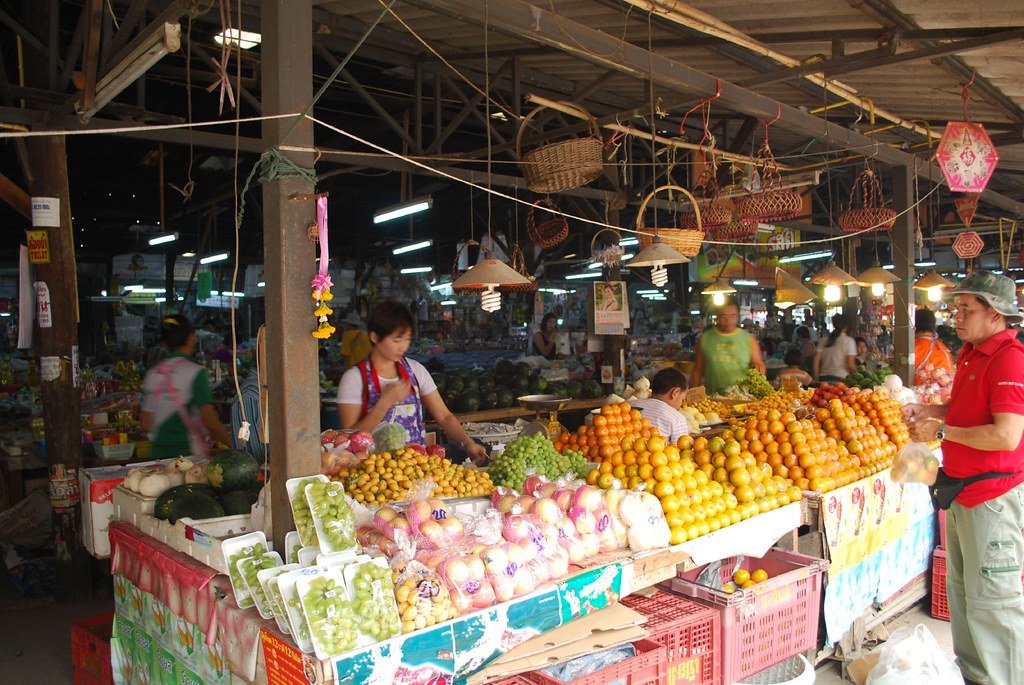
What to shoot: Fruit still on the tree, piled at a stall or cut open on a cutting board with juice running.
How: Natural light, and a cross-section to reveal color. Small water droplets help, but do not overdo them.
The story: Season and geography. A mango in Kerala and a mango in a supermarket tell different stories.
15. Ice cream against the clock
What to shoot: A cone held up against a street, a beach or a piazza, with the first drip starting.
How: Prepare everything with a stand-in, then shoot the real scoop in seconds. Open shade avoids harsh highlights and slows melting.
The story: Summer, travel and the pleasure of a fleeting moment.
16. Street food after dark
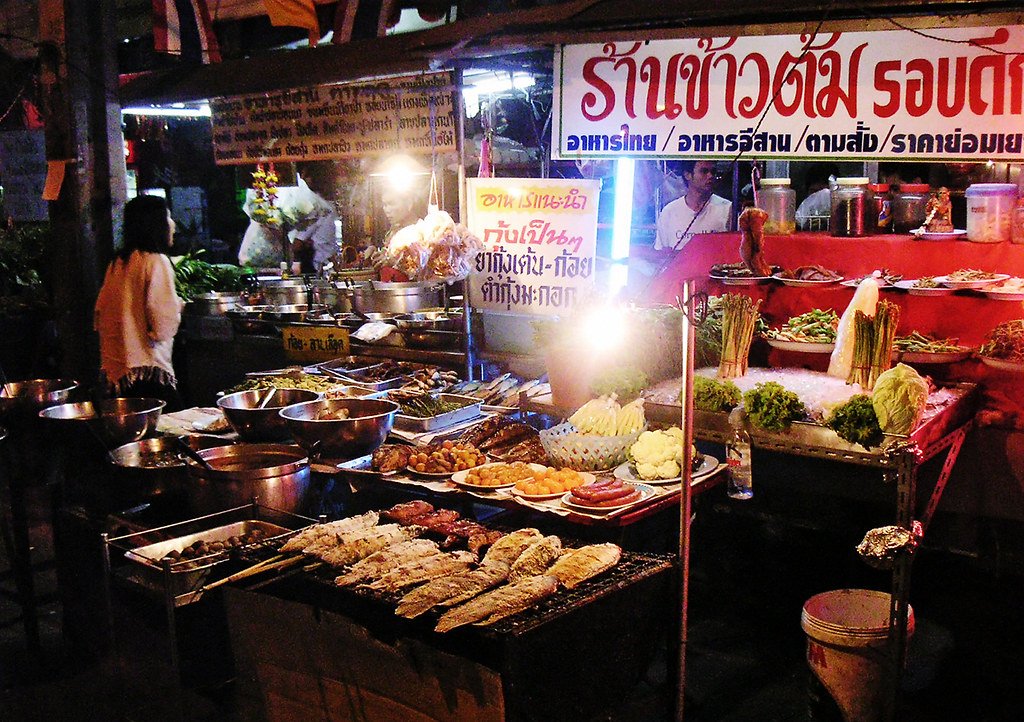
What to shoot: A vendor’s grill or wok lit by their own lamp, smoke and flames, customers waiting.
How: Use the existing light; raise your ISO rather than using flash, which kills the atmosphere. Brace yourself against something for slower shutter speeds.
The story: The night life of a city, told through what people eat on their feet.
17. The chef at work in a restaurant
What to shoot: The pass during service, a chef tasting a sauce, plating with tweezers, a cook wiping a rim.
How: Ask when you can stand without getting in the way, usually at a corner of the pass. A quiet shutter and a short telephoto help you stay invisible.
The story: Pressure, precision and teamwork behind a single plate.
Food photography ideas for travel and place
This is where food photography becomes travel journalism. A dish can be your way into a destination. Our travel photography guide covers the broader approach; these ideas apply it to food.
18. Dish and landscape in one frame
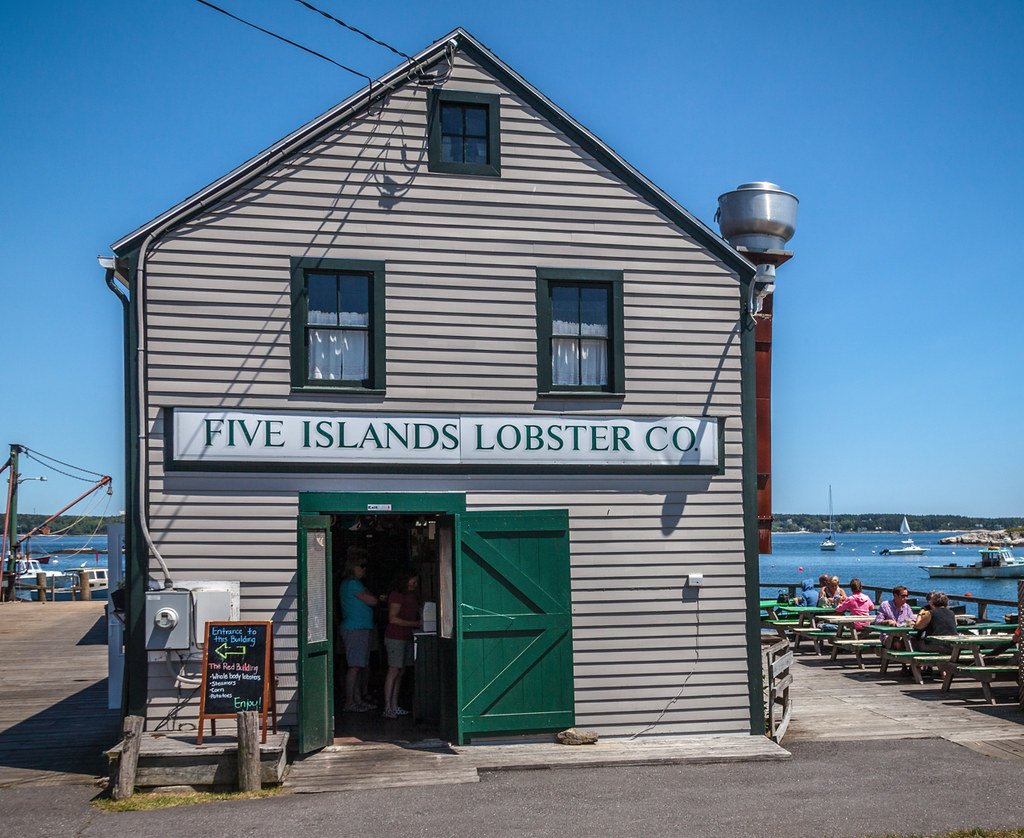
What to shoot: A local dish with the landscape that produced it behind: seafood with the harbor, cheese with mountain pastures, rice with paddies.
How: Place the plate in the foreground and use a moderate aperture so the background is recognizable but soft.
The story: Terroir, in a single image.
19. From field to plate
What to shoot: A short photo essay following one ingredient from where it is grown or caught, to the market, to the kitchen, to the table.
How: Plan four or five key locations and keep a consistent visual thread (the same ingredient, color or angle).
The story: Supply chains, livelihoods and the people a tourist usually never meets.
20. The ritual around the food
What to shoot: A tea ceremony, a festival dish, a Sunday family lunch, a fasting-break meal.
How: Research the ritual beforehand, ask what is appropriate to photograph and favor discreet angles. Details (hands, vessels, light) often say more than wide shots.
The story: Food as identity, faith and memory. These images are often the most powerful in a travel feature. And if the ritual involves wine, coffee or spirits, our guide to drink photography will help you light it.
Bringing your food photoshoot together
Pick one idea from each section and plan a single afternoon around them: a portrait of the cook, one window-lit plate, one subject you love and one frame that ties the food to its place. That small set is already a story, and it is exactly the kind of package editors look for.
Remember the principle behind all these food photoshoot ideas: light, angle and props serve the story, never the other way round. Ask what the image should say before you lift the camera.
If you want to learn to tell stories about food in words and images, and to get them published, take a look at the Master in Gastronomic Journalism and Communication. It is built for people who see a plate and want to know who made it, where and why.