The famous food writers worth your time are not only the classics on your shelf: they are working right now, in newspapers, newsletters and cookbooks you can read this week. This list gathers 15 of them and explains what each one can teach you, the same skills we train in the Master in Gastronomic Journalism and Communication.
Studying a writer does not mean copying their voice. It means reading their decisions: where they start a story, what they leave out, how they make a plate of food carry history, money or memory. This is not a ranking. It is a map of different ways of writing about food, from restaurant criticism to food newsletters, from cookbooks to reporting. If you want the people who invented the genre, start with the classic food writers who invented the genre. Here we stay in the present.
Who are the best food writers to follow today?
The best food writers to follow today include critics like Jay Rayner and Ligaya Mishan, newsletter writers like Ruth Reichl, Alicia Kennedy and Jonathan Nunn, and authors like Fuchsia Dunlop, Michael W. Twitty and Samin Nosrat. What they share is a clear point of view and a steady output you can study in real time.
Ruth Reichl: memory, appetite and the long view
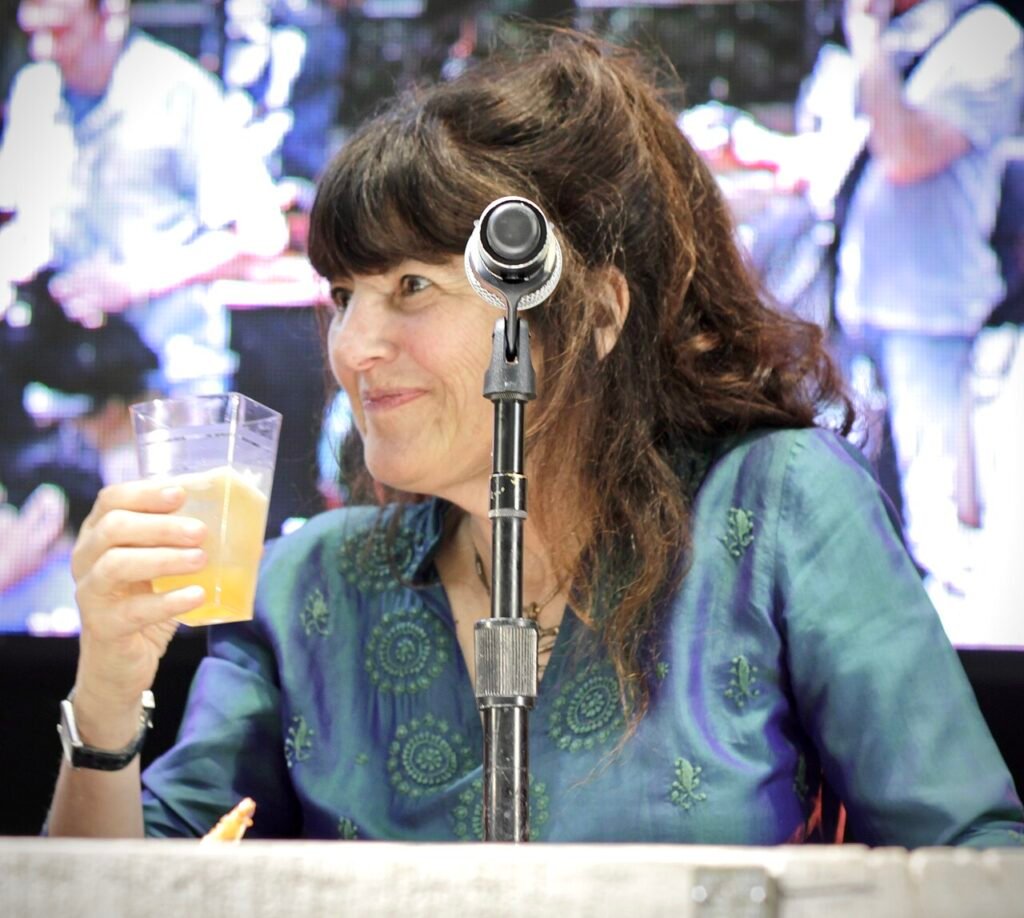
Ruth Reichl was a restaurant critic at the Los Angeles Times and The New York Times and then editor of Gourmet until it closed in 2009. Today she writes La Briffe, a Substack newsletter mixing recipes, vintage menus, old reviews and notes on what she is eating now.
Her strength is perspective. She has watched American food change for five decades and she writes about it with a storyteller’s timing, moving from a single dish to the culture around it.
From Ruth Reichl you’ll learn to turn your own archive and memories into fresh, readable stories.
Where to read her work: La Briffe newsletter | Instagram @ruth.reichl
Jay Rayner: criticism with a pulse
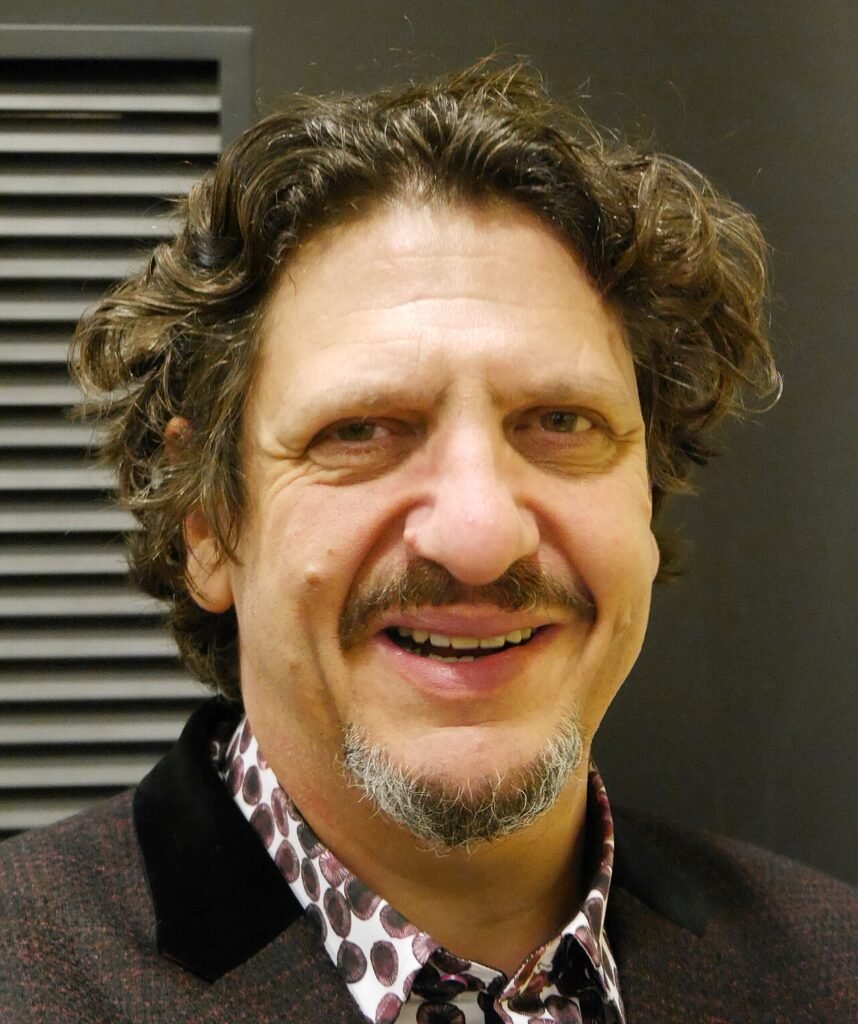
Jay Rayner spent a quarter of a century as restaurant critic of The Observer and moved to the Financial Times in 2025.
Read him for structure and rhythm. His reviews are entertaining, but every joke serves a judgement, and he is always clear about what the meal cost and whether it was worth it.
From Jay Rayner you’ll learn to make a review fun to read without losing the verdict.
Where to read his work: restaurant reviews in the Financial Times | Website | Instagram @jayrayner1
Fuchsia Dunlop: depth, language and Chinese cuisine
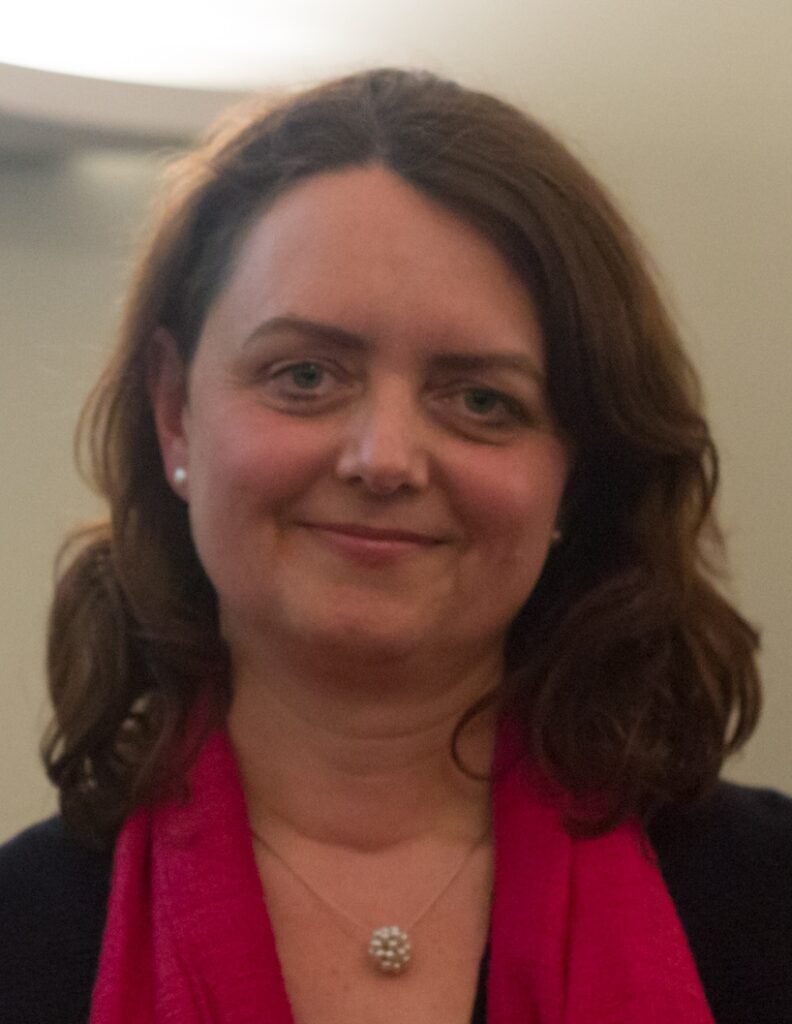
Fuchsia Dunlop trained as a chef at the Sichuan Higher Institute of Cuisine in the 1990s and has written about Chinese food ever since. Her Invitation to a Banquet won the Fortnum and Mason food book award, and her new cookbook, Five Tastes, came out in the UK in September 2026.
She shows what years of fieldwork look like on the page: she speaks Chinese, cooks the dishes and explains a whole food culture without flattening it.
From Fuchsia Dunlop you’ll learn to earn authority through immersion, not adjectives.
Where to read her work: Website | Instagram @fuchsiadunlop
Jonathan Nunn: the city as a menu
Jonathan Nunn founded Vittles in 2020, a London-based food and culture newsletter he now edits with Sharanya Deepak and Rebecca May Johnson. Vittles publishes every week, pays its contributors and has launched a print magazine.
Nunn writes about restaurants as urban geography: who cooks, who eats, which neighbourhoods are changing. Vittles is also one of the best places to see new food writers get their first byline.
From Jonathan Nunn you’ll learn to read a city through what and where it eats.
Where to read his work: Vittles | Instagram @jonathandnunn
Ligaya Mishan: the critic as essayist
Ligaya Mishan became one of The New York Times’ two chief restaurant critics in June 2025, reviewing in New York. Before that she wrote the paper’s Hungry City column and longer food essays for its magazine. She is also the author of Filipinx, a cookbook of heritage recipes from the diaspora.
Her reviews read like short essays, dense with ideas and precise language. Study how she places a restaurant inside a wider cultural conversation.
From Ligaya Mishan you’ll learn to write criticism that thinks, not just tastes.
Where to read her work: restaurant reviews in The New York Times | Instagram @ligayamishan
Michael W. Twitty: history you can cook
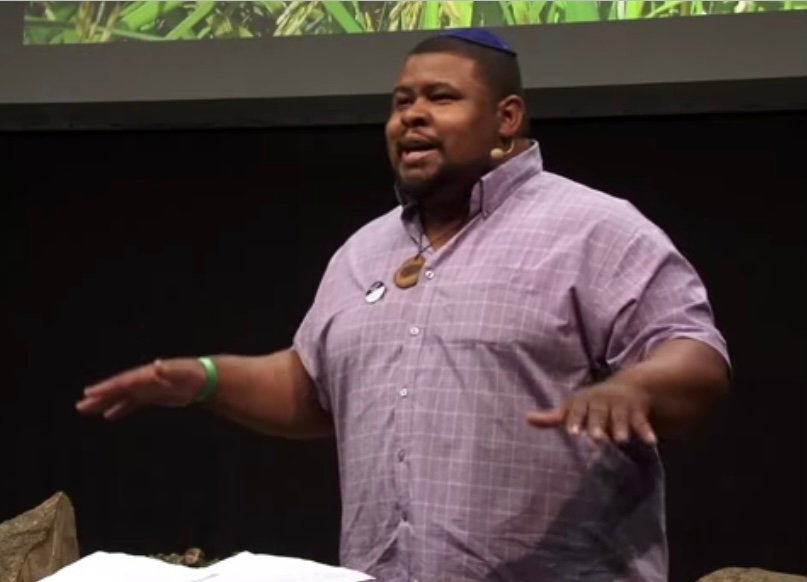
Michael W. Twitty is a culinary historian whose work traces the African American roots of Southern food. His 2025 book, Recipes from the American South (Phaidon), pairs dishes with their regional history, and Smithsonian named it one of the best food books of the year.
Twitty connects ingredients to people, labour and ancestry, and his research is always visible on the page.
From Michael W. Twitty you’ll learn to back every recipe with a story that is true.
Where to read his work: Afroculinaria | Instagram @thecookinggene
Rachel Roddy: the weekly domestic column from Rome
Rachel Roddy lives in Testaccio, Rome, and writes a weekly recipe column for The Guardian. Her first book, Five Quarters, won the André Simon award.
Her columns prove that a recipe can be literature. Each one opens with a scene from her kitchen or market and lands on a dish you can actually cook that evening.
From Rachel Roddy you’ll learn to frame a recipe with a real, small story.
Where to read her work: her weekly recipe column in The Guardian | Instagram @rachelaliceroddy
Nik Sharma: science with feeling
Nik Sharma was a molecular biologist before he became a cookbook author and photographer. He lives in Los Angeles, writes the newsletter The Flavor Files and wrote The Flavor Equation. His latest book is Fundamentals of Flavor (2026).
He explains why food tastes the way it does without sounding like a textbook, and he weaves his own migration story into it.
From Nik Sharma you’ll learn to make technical ideas warm and clear.
Where to read his work: Website | The Flavor Files newsletter | Instagram @abrowntable
Clarissa Wei: reporting from Taiwan
Clarissa Wei is a Taiwanese American journalist based in Taiwan. Her cookbook Made in Taiwan, written with Ivy Chen, won the IACP Julia Child First Book Award, and her second book, Sitting the Month, looks at postpartum cooking and care. Her reporting has appeared in The New York Times, The New Yorker and Foreign Policy.
She shows how a food writer can also be a correspondent, covering identity and politics through what people eat.
From Clarissa Wei you’ll learn to use food as a way into a country’s bigger story.
Where to read her work: Website | Instagram @dearclarissa
Mark Bittman: food as politics and practice
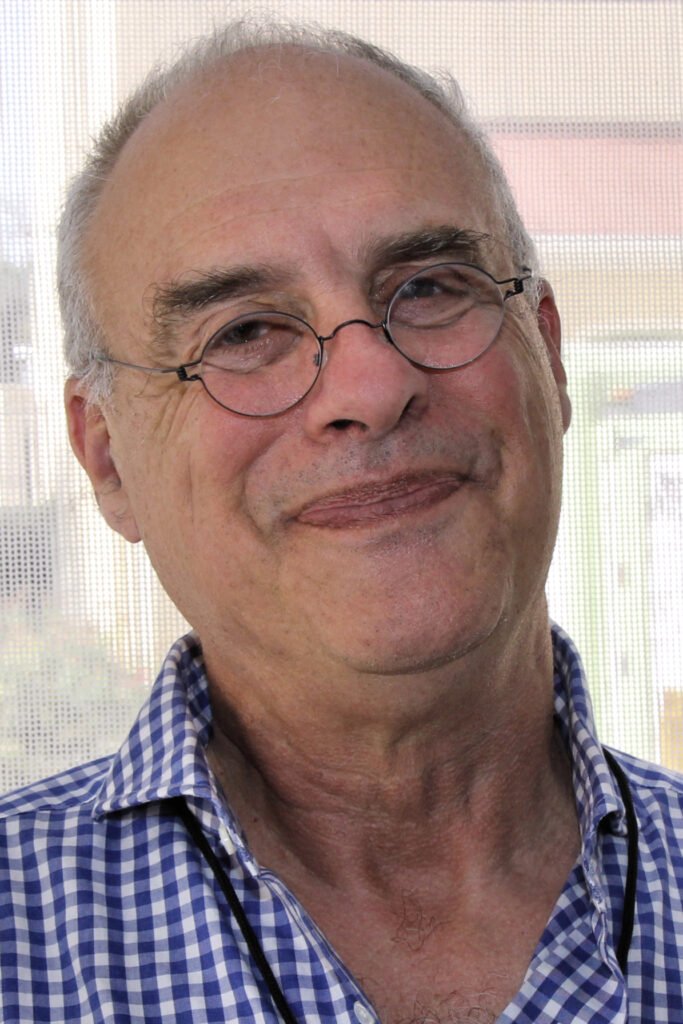
Mark Bittman wrote the How to Cook Everything series and was the lead food writer of The New York Times Magazine. Today he runs The Bittman Project with his daughter Kate, a newsletter and site with recipes, reporting on the food system and a podcast.
He links the home kitchen to policy and industry without losing practical advice.
From Mark Bittman you’ll learn to connect the plate to the system that produced it.
Where to read his work: The Bittman Project | Instagram @markbittman
Alicia Kennedy: the critical newsletter
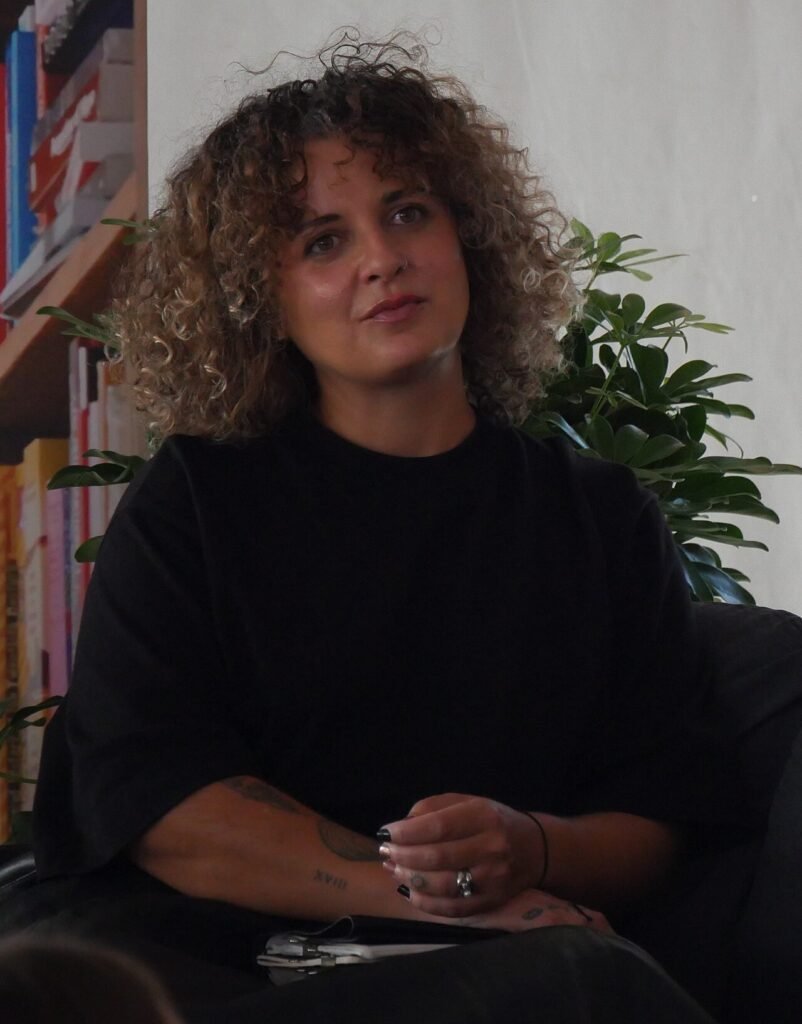
Alicia Kennedy writes From the Desk of Alicia Kennedy, a twice-weekly newsletter on food culture, media and politics. She is the author of No Meat Required and of On Eating, a memoir published in 2026.
She treats food writing as cultural criticism and is not afraid to question the industry itself.
From Alicia Kennedy you’ll learn to build an independent voice and a loyal audience.
Where to read her work: Newsletter | Instagram @aliciadkennedy
Ozoz Sokoh: Nigerian food, explained with care
Ozoz Sokoh trained as a geologist, started her blog Kitchen Butterfly in 2009 and now teaches food and tourism in Canada. Her cookbook Chop Chop: Cooking the Food of Nigeria (2025) collects recipes from all of the country’s regions and has picked up major awards.
She writes guides and ingredient histories that are both precise and generous, which makes her a model for anyone documenting an under-covered cuisine.
From Ozoz Sokoh you’ll learn to explain a cuisine to outsiders without simplifying it.
Where to read her work: Kitchen Butterfly | Instagram @kitchenbutterfly
Samin Nosrat: teaching through clarity
Samin Nosrat is the author of Salt, Fat, Acid, Heat, which became a Netflix series, and co-hosts the podcast Home Cooking. Her second cookbook, Good Things, was published in September 2025.
She is a teacher first. Her writing breaks cooking into principles and then lets her voice and humour carry you through them.
From Samin Nosrat you’ll learn to organise complex knowledge into simple, memorable ideas.
Where to read her work: Website | Instagram @ciaosamin
Felicity Cloake: one dish, tested to the end
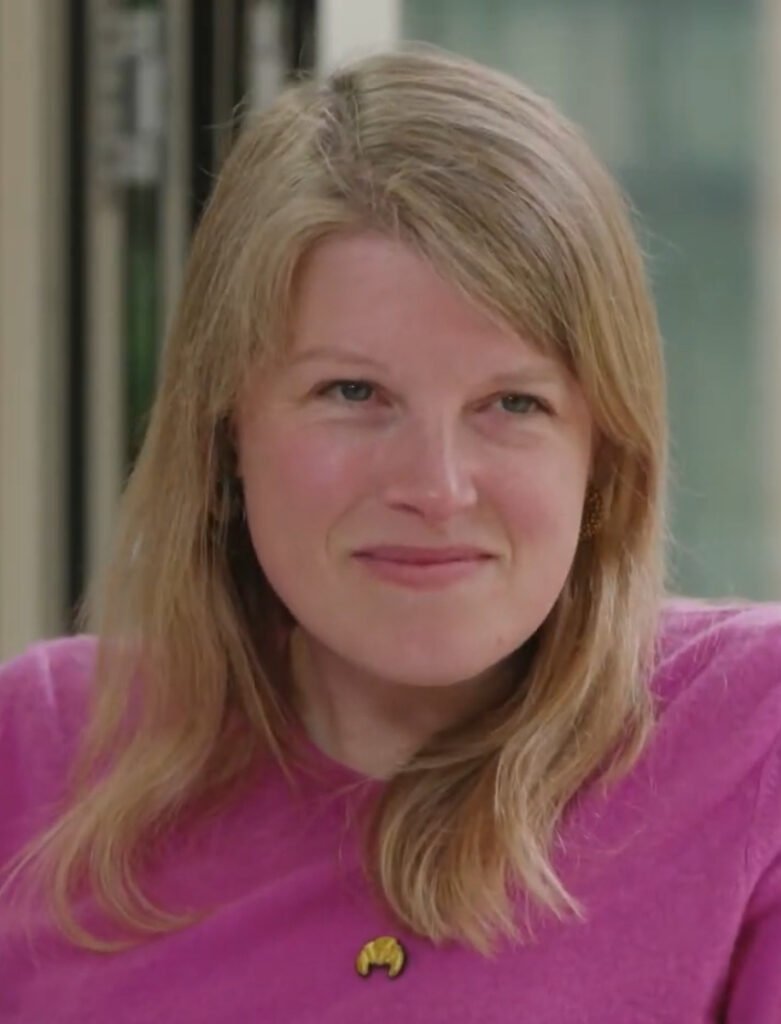
Felicity Cloake has written The Guardian’s How to Cook the Perfect column since 2009, comparing many versions of one classic dish to find the best method.
Her format is a lesson in research: she reads and tests everyone else’s recipes before forming her own view.
From Felicity Cloake you’ll learn to compare sources honestly and show your working.
Where to read her work: her column in The Guardian | Newsletter | Instagram @felicitycloake
Bee Wilson: objects, memory and ideas
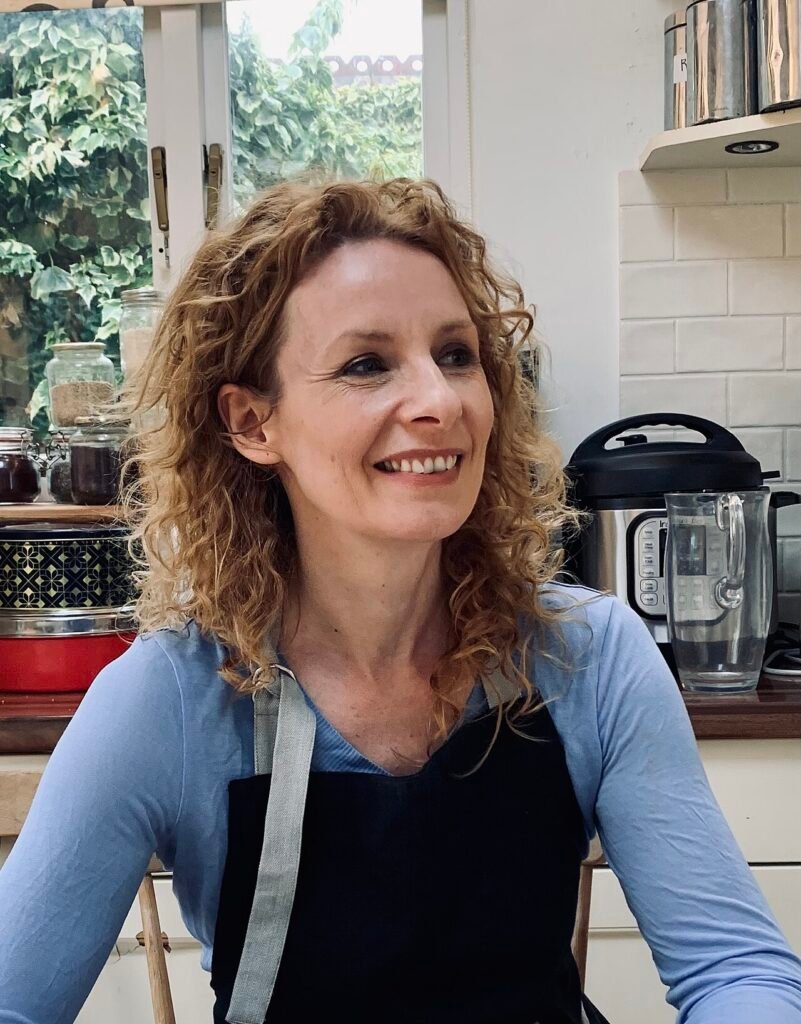
Bee Wilson is a Cambridge-based food writer who contributes to The Guardian, the London Review of Books and The New York Times. Her books include Consider the Fork and, from November 2025, The Heart-Shaped Tin, about the meaning we give to kitchen objects.
She is ideal to study for idea-driven nonfiction: she starts with a thing you own and opens it into history, science and emotion.
From Bee Wilson you’ll learn to build a whole essay around a single object.
Where to read her work: The Guardian, the London Review of Books and her books | Instagram @kitchenbee
How to read these food writers without copying them
Read the first and last lines. Note how each writer opens (a scene, a fact, a question) and how they close. Rewrite one of your own openings three ways using what you learned.
Map the research. Underline every fact, source and number in a column. You will see how much reporting sits under a light, readable surface.
Study what is missing. Good food writing cuts. Ask what Rayner or Roddy chose not to say and why.
Copy structure, never sentences. Borrow a format (the comparison column, the city walk, the object essay) and fill it with your own material and places.
Follow across formats. Read the same writer in a newspaper, a newsletter and a book to understand how voice adapts to each medium. The same habit works with images, as in our list of food photographers worth studying, and with the best food magazines.
If criticism is your goal, our guide on how to become a food critic turns these habits into a career plan.
Start reading, then start writing
These famous food writers prove that food writing is alive and varied: newsletters with loyal readers, critics who still shape the conversation, authors who carry whole cultures into a cookbook. Follow a few, read them closely and then publish your own work, the way our students do in Appetito.
Want to turn what you read into stories that get published? Discover the Master in Gastronomic Journalism and Communication at the School of Travel Journalism.