By Kenzy Samir
I thought Beyond the Pyramids would end with a grade. Instead, it travelled to three international film festivals, screened on a river in Italy and came back with three awards.
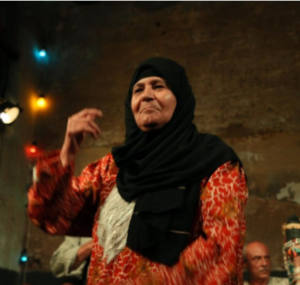
“What would happen if, instead of only looking at Egypt, we listened to it?”
— Kenzy Samir
If you have ever done a final project, you know the spiral. Is the topic actually good? Am I doing this correctly? Will I finish on time? Sorry if I am bringing back any trauma.
Ten months of research, interviews, filming and editing are reduced to one button. I pressed it, celebrated and assumed Beyond the Pyramids was finished. At that point, the biggest future I imagined for it was a good grade.
It was not finished.
From our first class, we knew the final project would involve travel. I could have gone somewhere completely new, but
 I kept returning to Egypt. I am Egyptian, but I grew up in Dubai, and most conversations I had with people about Egypt began and ended with the pyramids. I have genuinely answered “Where are you from?” by putting my hands together in a triangle.
I wanted to show what existed beyond that image, partly because I needed to see it too. I had not grown up in Egypt, and I realised the country was beginning to shrink into the pyramids in my own imagination as well.
Then I started learning about Zār and Sufism, and I had far more questions than answers. I have always been curious about faith, rituals and why people believe what they believe. The master’s gave me the perfect excuse to stop wondering from a distance and go ask.
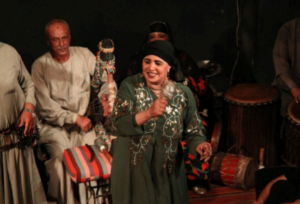
During the Master in Travel Journalism, one question became a 16-minute documentary, a podcast, Umm Sameh: Inside One of Egypt’s Last Zār Rituals, ten articles, the photo essay Do You Hear Me, Egypt?, and an ebook guide. Each format held a different part of the story: the film captured its movement, the podcast gave Umm Sameh’s voice more room, and the articles and photographs allowed me to explore details that could not fit inside sixteen minutes.
I was also learning how to make a documentary while making one. I had to approach people I did not know, ask about beliefs that are often misunderstood and film performances where nothing stayed still. I kept wondering whether I was explaining Zār or accidentally making it seem even more mysterious. That was probably what I worried about most.
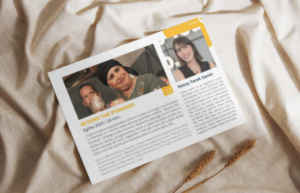
After presenting the project, I mentally closed the folder. I had my answers, or at least enough of them to graduate.
My mother did the opposite. She had joined me during one of the Zār visits and believed deeply in the film. She kept telling me to send it to festivals. Eventually, mostly because she would not let it go, I did.
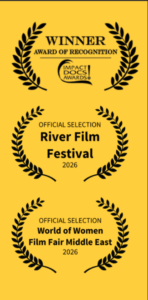
Beyond the Pyramids was selected by three international film festivals. In July, it screened at River Film Festival in Padua on a floating screen on the Piovego River. My film was literally screened on a river in Italy. Even I think that sentence sounds made up.
Then it received three Awards of Recognition from the Impact DOCS Awards for Documentary Short, Islamic Filmmaker and Overall Sound. The sound award made me smile. Sound was never just a technical part of this story. Zār and Sufi practices live through voices, instruments and rhythm. The project began by asking what would happen if, instead of only looking at Egypt, we listened to it.
I thought pressing submit would close the project. Instead, it changed what I imagine myself doing next. I want to keep travelling, asking questions and documenting spiritual traditions and communities that people often speak about without actually speaking to.
So, what happens after you press submit?
Sometimes nothing happens for a while. Sometimes your mother keeps asking whether you have sent the film anywhere yet. Then one application becomes a screening on a river, another becomes an award, and the project you thought was finished starts changing what you imagine doing next.
To current students: choose a project you would still be curious about even if nobody were grading it. Press submit, celebrate and get some sleep. Then, if your mother tells you to send it somewhere, maybe listen.