Wondering how to become a food critic when newspapers keep cutting staff? The path still exists, it just looks different: you build a palate, a body of published work and a reputation for fairness, then turn that into paid criticism, often as a freelancer. If you want guided practice and real publishing opportunities, our Master in Gastronomic Journalism and Communication is built around exactly that journey.
How do you become a food critic? The short answer
To become a food critic, read the best critics closely, eat widely and learn how food is made, and write about restaurants constantly so you build a published portfolio. Learn the ethics of the job (paying your own bill, dining as anonymously as you can, disclosing conflicts). Then pitch editors with clips, specialise in a cuisine, region or format, and combine freelance reviews with newsletters, books or social media, because full-time staff critic jobs are now rare.
No licence stands between you and the title. What separates a food critic from someone with opinions about dinner is method, consistency and trust.
Step 1: Read the critics who shaped the job

Every serious restaurant critic started as a serious reader. Before you write a review, study how the masters structure theirs: where they put the verdict, how they describe a flavour without clichés, how much space they give to the room, the service and the bill.
A short reading list to begin with:
- Ruth Reichl. She was restaurant critic at the Los Angeles Times and then at The New York Times from 1993 to 1999, before editing Gourmet until it closed in 2009. Her memoir Garlic and Sapphires (2005) tells how she used disguises to avoid being recognised. Study it for how anonymity changes the meal you actually get. She still writes a newsletter about food and food writing.
- Jonathan Gold. In 2007 he became the first food critic to win the Pulitzer Prize for Criticism, for his work at LA Weekly. His Counter Intelligence column treated taco trucks and strip-mall restaurants in immigrant neighbourhoods with the same seriousness as fine dining. Study him for curiosity and for writing about a whole city, not just its expensive tables. The documentary City of Gold (2015) is a good introduction.
- Pete Wells. Chief restaurant critic of The New York Times from 2012 until he stepped down in 2024. His reviews range from affectionate to famously brutal. Study how he builds an argument across a whole piece and how he balances humour with judgement.
- Jay Rayner. Restaurant critic at The Observer for more than 25 years before moving to the Financial Times in 2025. His collections of negative reviews show how entertaining a bad meal can be on the page. Study his voice and his timing.
- Tejal Rao and Ligaya Mishan. Named co-chief restaurant critics of The New York Times in 2025, the first time the paper split the role between two people (Rao in California, Mishan in New York). Study them for the present tense of criticism: national scope, cultural context and close attention to smaller, everyday places.
- Soleil Ho. Restaurant critic at the San Francisco Chronicle from 2019 to 2023 and winner of the James Beard Award for criticism in 2022. Study Ho for how criticism can address labour, culture and politics without losing sight of the plate.
For a broader list of voices beyond restaurant reviewing, see our guide to food writers worth reading closely.
Step 2: Develop your palate and food knowledge
A restaurant critic needs a wide frame of reference. You cannot judge a bowl of pho, a tasting menu or a plate of jamón fairly if you have only eaten one version.
- Eat widely and deliberately. Go back to the same dish in different places. Compare three versions of one thing in a single week and write down the differences.
- Learn how food is made. Cook at home, take a class, read about technique. Knowing why a sauce split or why bread is underproofed lets you describe a fault precisely instead of simply saying “it was off”.
- Study ingredients and context. Markets, producers, seasonality, wine and other drinks, and the history of each cuisine all matter. Context protects you from judging a regional tradition by the rules of another one.
- Keep a tasting journal. Note texture, temperature, seasoning, balance and how a dish changes as you eat it. This vocabulary becomes your raw material.
Step 3: Write constantly and get published

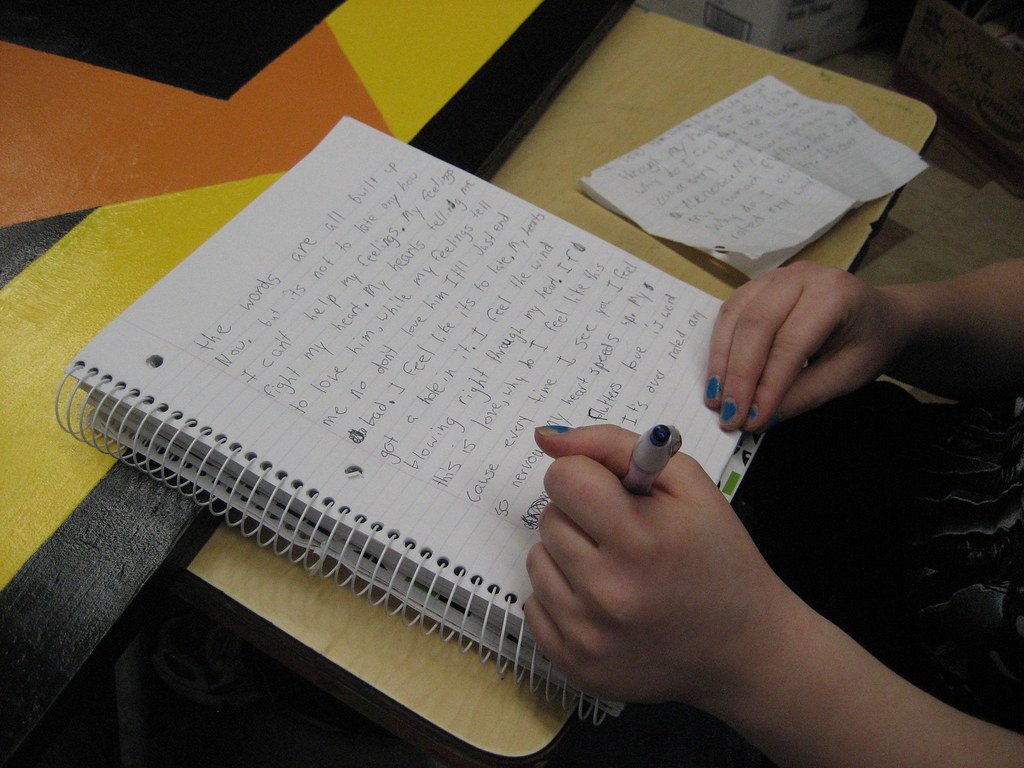
Knowledge without a byline does not make a career. The only way to become a food writer, critic or otherwise, is to write a lot and put it in front of readers.
- Set a rhythm. One review or food essay a week is enough to improve fast.
- Vary the format. Try a 300-word capsule review, a 1,000-word full review, a profile of a cook, a market piece. Learning how to write a food interview is especially useful, because talking to cooks and producers deepens every review you write later.
- Publish early. A blog, a newsletter, local magazines and community sites all count. Small outlets often give new writers their first clips.
- Get edited. Feedback from an editor or teacher speeds you up more than anything else.
Step 4: Learn reporting skills and the ethics of criticism

What separates criticism from opinion is reporting and fairness. Readers trust a critic because they believe the review is independent and accurate.
The traditional standards, still followed at major outlets, are these:
- Pay the bill. The critic, or the publication, pays for every meal under review. When the New York Times reorganised its criticism in 2025, it reaffirmed that its critics pay for meals and decline invitations.
- Dine as anonymously as possible. Book under another name and avoid announcing yourself, so you get the experience a normal guest gets. Full anonymity is harder now: the Times stopped hiding its critics’ faces publicly in 2025, though they still try not to be recognised when dining.
- Visit more than once. Staff critics traditionally eat at a restaurant several times before a full review, to avoid judging a whole kitchen on one bad night.
- Check your facts. Names, prices, dish descriptions and the chef’s background must be right.
- Disclose conflicts. If you know the owner, attended a press dinner or received anything for free, either do not review the place or say so clearly.
They matter even more on social media, where free meals are offered constantly.
Step 5: Build a portfolio and learn to pitch
Editors hire food critics on the strength of their clips. Gather your best five to ten published pieces in a simple online portfolio, showing range: at least one full review, one short format and one reported feature.
Then pitch:
- Study the outlet first. Read several months of its food coverage and identify what it does not cover yet.
- Pitch a specific idea, not yourself. “A review of the new Georgian bakery in your city’s north side” beats “I would love to write about food for you”.
- Keep it short. A clear angle, why now, why you, and two or three links to clips.
- Follow up politely and move on. Silence is common. Our guide to how to pitch a food magazine like Appetito shows what an editor needs from you.
Structured publishing opportunities help a lot at this stage. Through STJ’s partnership with Appetito, for example, food writers in our programs can get their work in front of a real magazine audience.
Step 6: Specialise to stand out
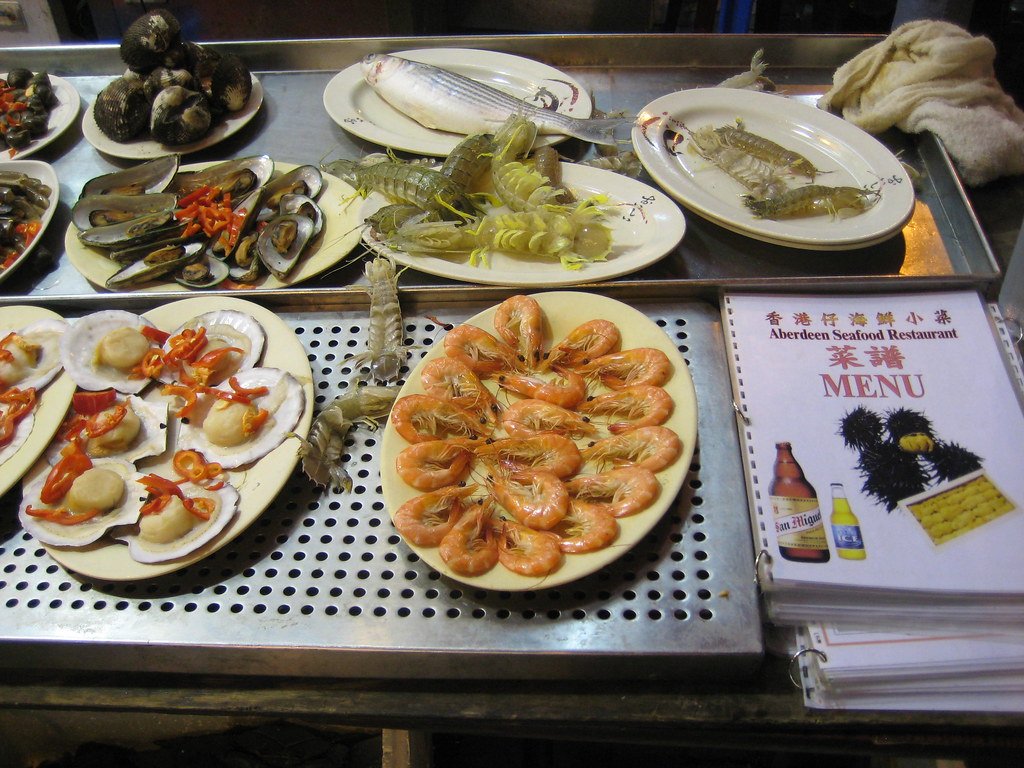
There are many food writers and few critic slots, so a clear niche makes you memorable. Some options:
- A city or region you know deeply, including the neighbourhoods mainstream guides ignore.
- A cuisine or category: street food, bakeries, natural wine, vegetarian cooking, a diaspora cuisine.
- A format: short video reviews, a weekly newsletter, a podcast, guidebook entries.
- An angle: sustainability, labour, price and value, accessibility.
Jonathan Gold built a career on the overlooked corners of Los Angeles: a tight focus is how editors and readers remember you.
Step 7: Understand the reality of the job today

Here is the honest part. Full-time staff restaurant critic positions have shrunk along with newspaper food sections. When a big title changes hands, as at The Observer, or a critic steps down, the role is sometimes restructured rather than simply refilled.
Most people who write restaurant criticism today combine several income streams:
- Freelance reviews and features for magazines, newspapers and digital outlets.
- Newsletters with paying subscribers, where a loyal audience follows a critic’s taste directly.
- Social media and video, where short reviews can reach large audiences (with the ethics above becoming even more important).
- Books, guides and editing work, plus related jobs such as content for restaurants, food festivals or culinary tourism.
That mix is a viable food writer career, and it rewards the same skills: taste, reporting, voice and trustworthiness. For one example of how training and publishing open doors, read Kimberly Domínguez’s story.
Do you need a degree to be a food critic?
No. There is no required degree or licence to become a food critic. Many respected critics studied literature, history or other subjects, and some never studied journalism at all.
What editors look for is evidence: published clips, a recognisable voice, food knowledge and a track record of fair, accurate work. Formal training helps because it gives you structure, editing, deadlines and contacts, which shortens the years it otherwise takes to build all that alone. A specialised food journalism program or food writing course is a shortcut to the portfolio, not a substitute for it.
How much do food critics earn?
There is no reliable public salary figure for food critics specifically, and pay varies enormously between a staff critic at a national title and a freelancer writing occasional reviews.
The closest official benchmarks come from the US Bureau of Labor Statistics. In May 2025, the median annual wage was $76,910 for writers and authors, about 65% of whom are self-employed, and $62,200 for news analysts, reporters and journalists, a group whose employment the BLS projects to decline 6% between 2025 and 2035. These are broad US categories, not critic salaries, and figures differ in other countries.
In practice, staff critic jobs at major outlets are scarce, and most food critics earn through a mix of freelance fees, newsletters, books and related work.
Your next course: from reader to restaurant critic
Learning how to become a food critic comes down to a loop you repeat for years: read, eat, write, get edited, publish, pitch. The job has changed, with fewer staff posts and more independent critics, but the core of it has not. Readers still want someone with a trained palate and a fair mind to tell them where to eat and why it matters.
If you want to work through that loop with teachers who edit your work and real outlets to publish in, take a look at our Master in Gastronomic Journalism and Communication. It is a good place to write your first serious reviews.